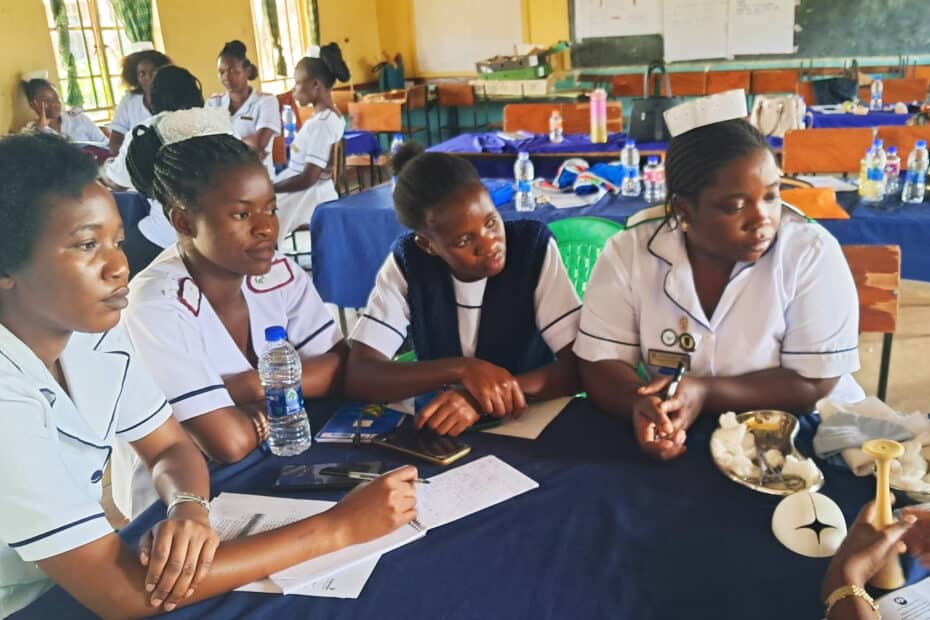
In Malawi, midwives are on the frontlines of life and death, yet a looming shortage threatens to push an already strained system to the breaking point. Recent reporting drawing on State of the World’s Midwifery data warns that Malawi may need around 16 400 midwives in less than five years, but is on track to have fewer than half that number. Midwives describe poor working conditions, low pay and severe understaffing, with some labour wards staffed by fewer than four midwives at night for more than 20 births. “If Malawi does not intervene to fix these shortages, the country will be in a very precarious situation by 2030,” says AMAMI chief executive officer Mathias Ghatsha Chatuluka. Read the whole article https://mwnation.com/looming-midwife-shortage-risks-mothers-newborn-babies/
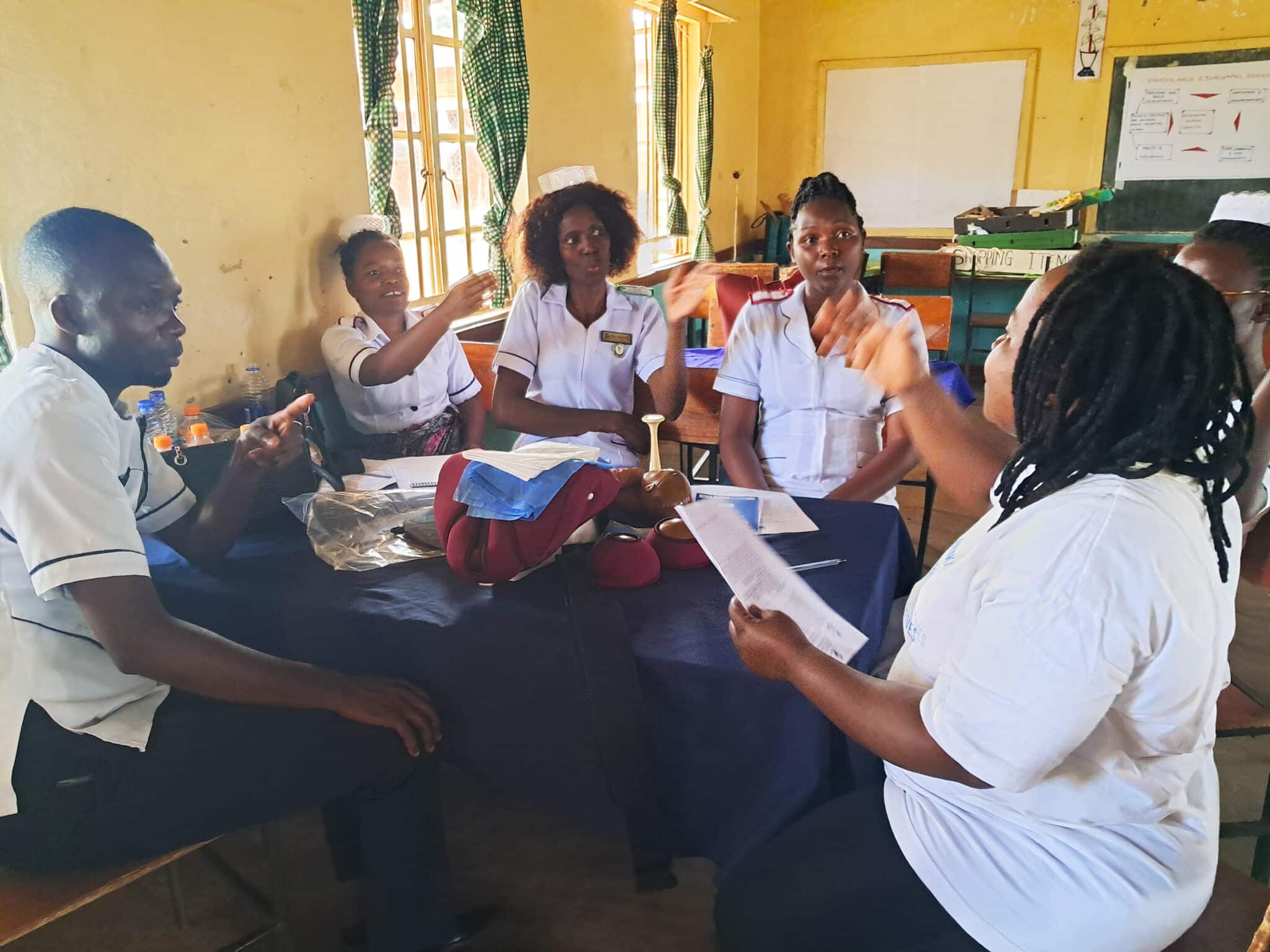
Against this backdrop, the TRUST project, funded by Global Affairs Canada and led by the Canadian Association of Midwives (CAM) in partnership with the Association of Malawian Midwives (AMAMI) and the South Sudan Nurses and Midwives Association (SSNAMA), aims to strengthen midwifery and sexual, reproductive, maternal, newborn and adolescent health services in Malawi and South Sudan. TRUST rests on a simple idea: when midwives are equipped, recognised and supported, they can transform health systems for the better.TRUST is also aligned with Global Affairs Canada’s 10-year commitment to global health and rights, with a focus on building equitable, resilient health systems through stronger primary health care, community-level service delivery, and sustained investment in the health system building blocks that keep essential services functioning.

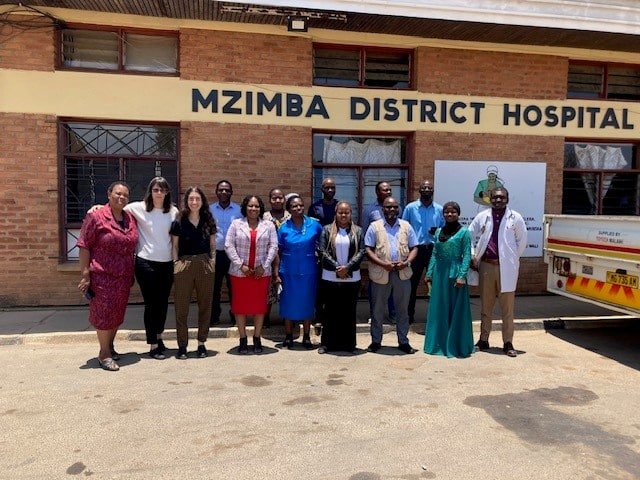
In late 2025, CAM’s TRUST Project Manager, Jennifer King, travelled to Malawi to officially launch the project. “Team TRUST” met with the national Ministry of Health and its Directorates, District Health Management Teams, facility in-charges and local partners to introduce the project, align with national priorities, secure approvals from the District Executive Council in project locations and prepare for the baseline assessment—ensuring that upcoming activities, from data collection to community-based interventions, are embedded in existing systems.
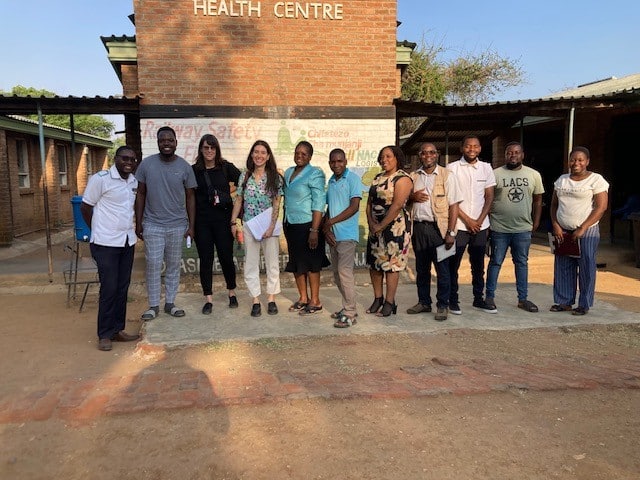
Crucially, the visit created space for midwives themselves to shape the project. CAM and AMAMI met with district chapters to hear how midwives experience the crisis: long shifts with little rest, shortages of equipment and supplies, and the emotional toll of caring for families while worrying about their own livelihoods. Yet they also expressed strong commitment to TRUST and called for meaningful professional recognition, supportive supervision and safer, more respectful workplaces. As an AMAMI member said “ …we want better regulation and legal protection, adequate staffing levels, fair remuneration and more respect for midwives within the health system overall” For many, TRUST is a platform to make their expertise visible and to advocate for better conditions.
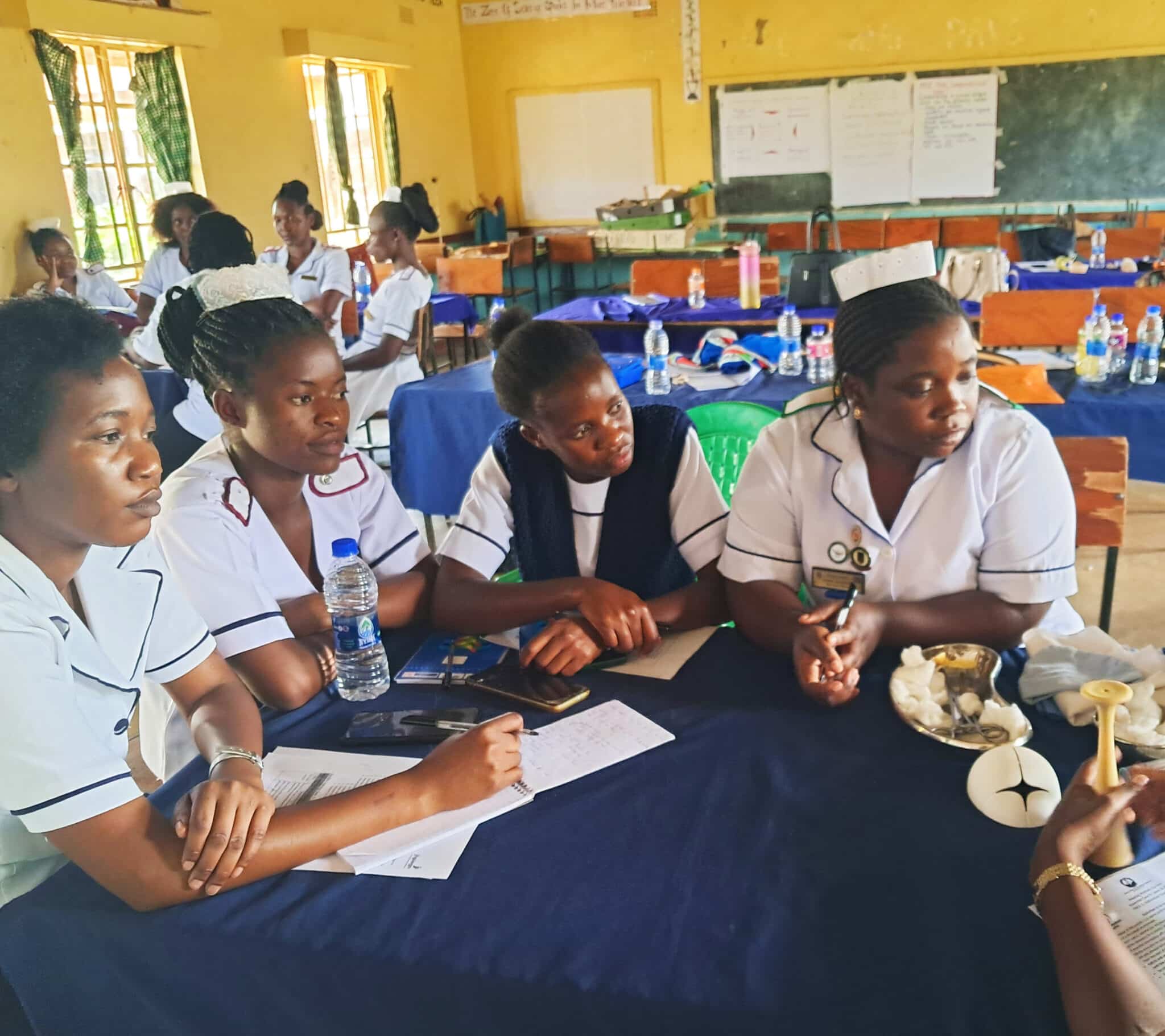
“We want better regulation and legal protection, adequate staffing levels, fair remuneration and more respect for midwives within the health system overall”

The mission also laid the groundwork for a robust baseline assessment. CAM’s Monitoring, Evaluation, Accountability and Learning (MEAL) Lead, Kariane St Denis, worked with district staff to review existing SRMNAH data and identify gaps, while Team TRUST secured formal approvals for community and facility-level activities. A clear message ran through every meeting: TRUST is designed to support, not replace, existing systems, and to build long-term ownership with midwives and district authorities leading the way.

As Malawi confronts a looming midwife shortage, projects like this underscore a critical truth: TRUST in midwives. When midwives are supported, recognized and empowered to lead, they do far more than catch babies. They safeguard rights, dignity and lives; one birth, one family and one health system at a time.
.