Across CAM Global’s projects, partners are strengthening sexual and reproductive health and rights through research, training, communications, systems strengthening, and intercultural collaboration. From South Sudan and Malawi to Haiti, Venezuela, Somalia, and Somaliland, recent work has focused on improving midwifery education, expanding public engagement, supporting regulatory reform, strengthening local associations and building more inclusive, rights-based care. Activities this quarter included formative research, radio programming, capacity-building workshops, curriculum implementation, strategic planning, respectful maternal and newborn care training, and dialogue on Indigenous midwifery. Together, these efforts reflect CAM Global’s commitment to locally led, gender-responsive, and sustainable change across very diverse and some of the more challenging humanitarian contexts.
Stay connected for updates and inspiring stories from the field as we work together to create a healthier, more equitable future.
GLOBAL NEWS
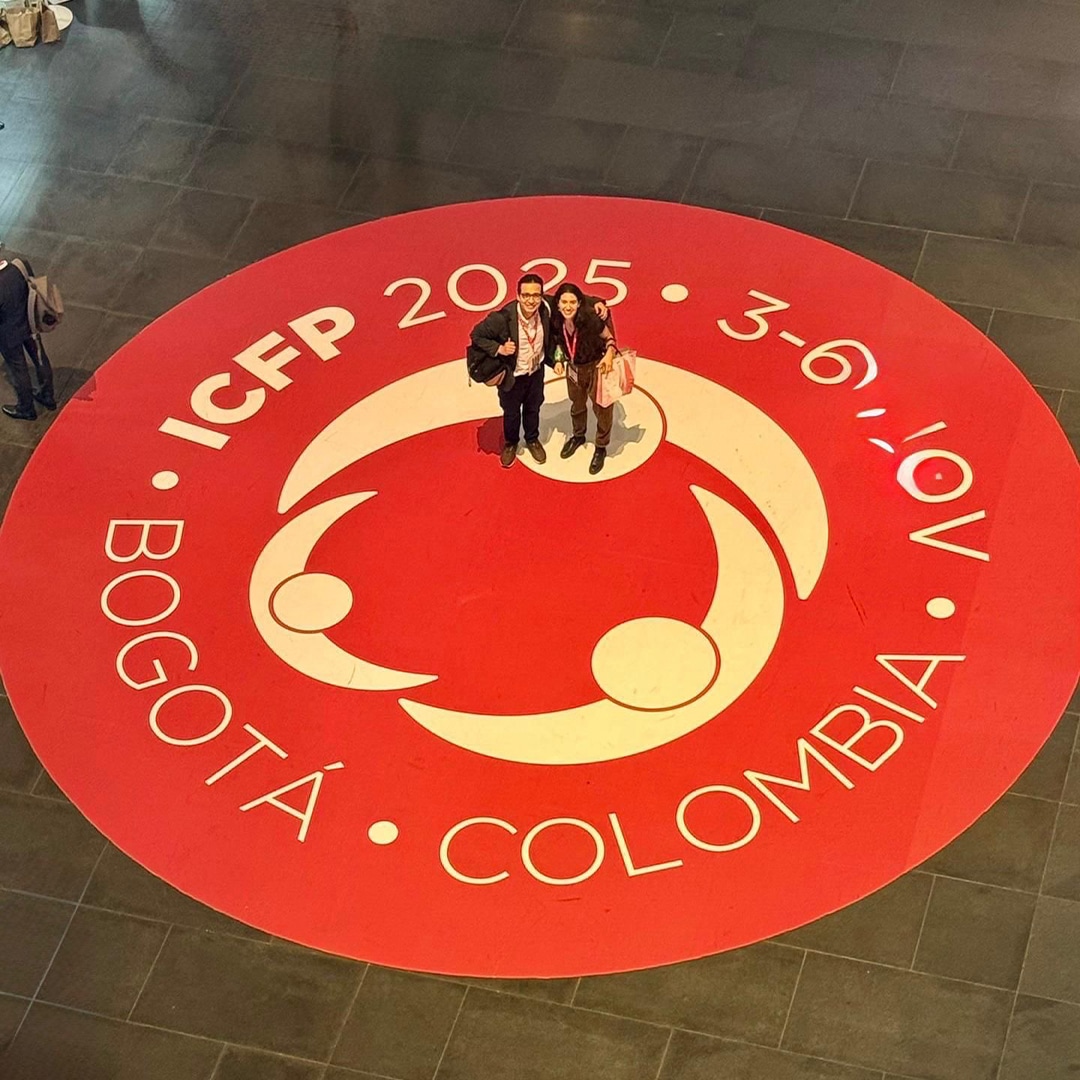
2025 International Conference on Family Planning
At the 2025 International Conference on Family Planning in Bogotá, Kariane St-Denis, CAM’s MEAL Lead, reflected on linking frontline SRHR realities with global evidence and advocacy. Drawing on work across multiple countries, she emphasized how midwives and their allies continue to deliver respectful, rights-based care under challenging conditions.
Major takeaways: the need to rethink how progress in SRHR is measured, arguing that they fail to capture lived realities, agency, dignity, and equity; In a global climate shaped by funding cuts, anti-rights movements, and inequality, collaboration across movements and geographies is essential.; Investing in routine, equity-focused data systems is a practical and transformative way to strengthen SRHR and build trust.
Read more about Kariane’s reflections here: https://canwach.ca/article/icfp-2025-kariane/
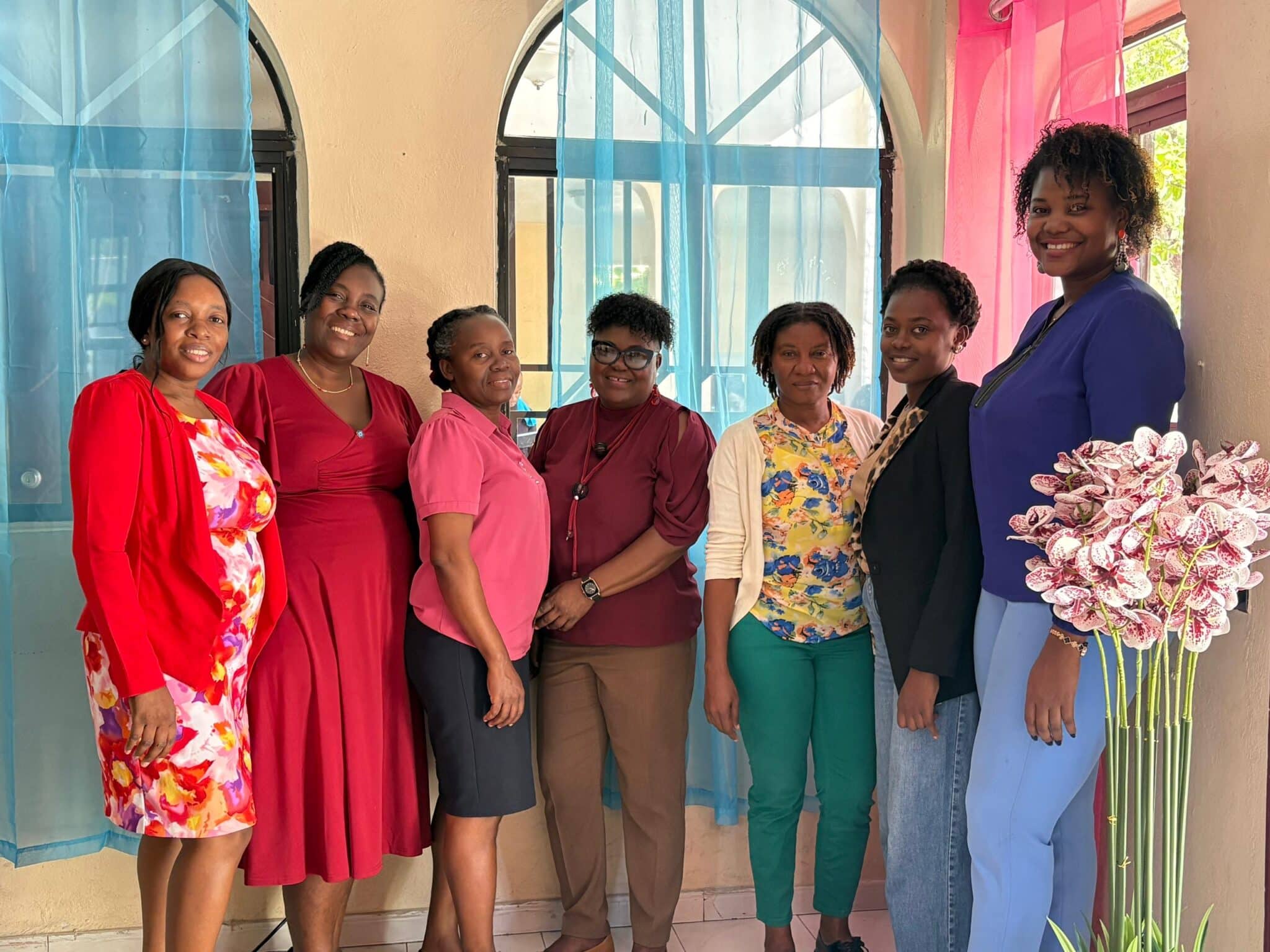
Midwives Respond to Gender Based Violence in Haiti
In collaboration with the Association Sage-Femmes d’Haiti, CAM responded to a call for proposals from the Department of Québec–Haiti Cooperation at Québec’s Ministry of International Relations. The proposal was successful, making it possible to develop a hybrid training program for Haitian midwives focused on strengthening the management of gender-based violence.
The training was co-developed through collaboration between Canadian and Haitian midwifery leaders, including Canadian midwife Emmanuelle Hébert, senior Haitian midwife Du Maude Mervilus, Emmanuelle Hébert, Dumaude Mervilus Blanc, Bereca Belance, Jeffthanie Mathurin Yves Carmelle Fanfan, Rose Cardelle B. Richand. On March 30, the program was delivered to ASFH’s pool of trainers.
This activity helped strengthen local capacity and support a more coordinated, informed response to gender-based violence within midwifery care. By investing in Haitian-led training and knowledge sharing, the initiative also reinforces the role of midwives as essential providers of safe, responsive, and rights-based care in fragile settings. It is also an important response to a real gap: very few structured training opportunities currently exist in Haiti to equip midwives specifically on GBV
ATENCIÓN SEGURA RESPETUOSA (Safe and Respectful Care in Venezuela)
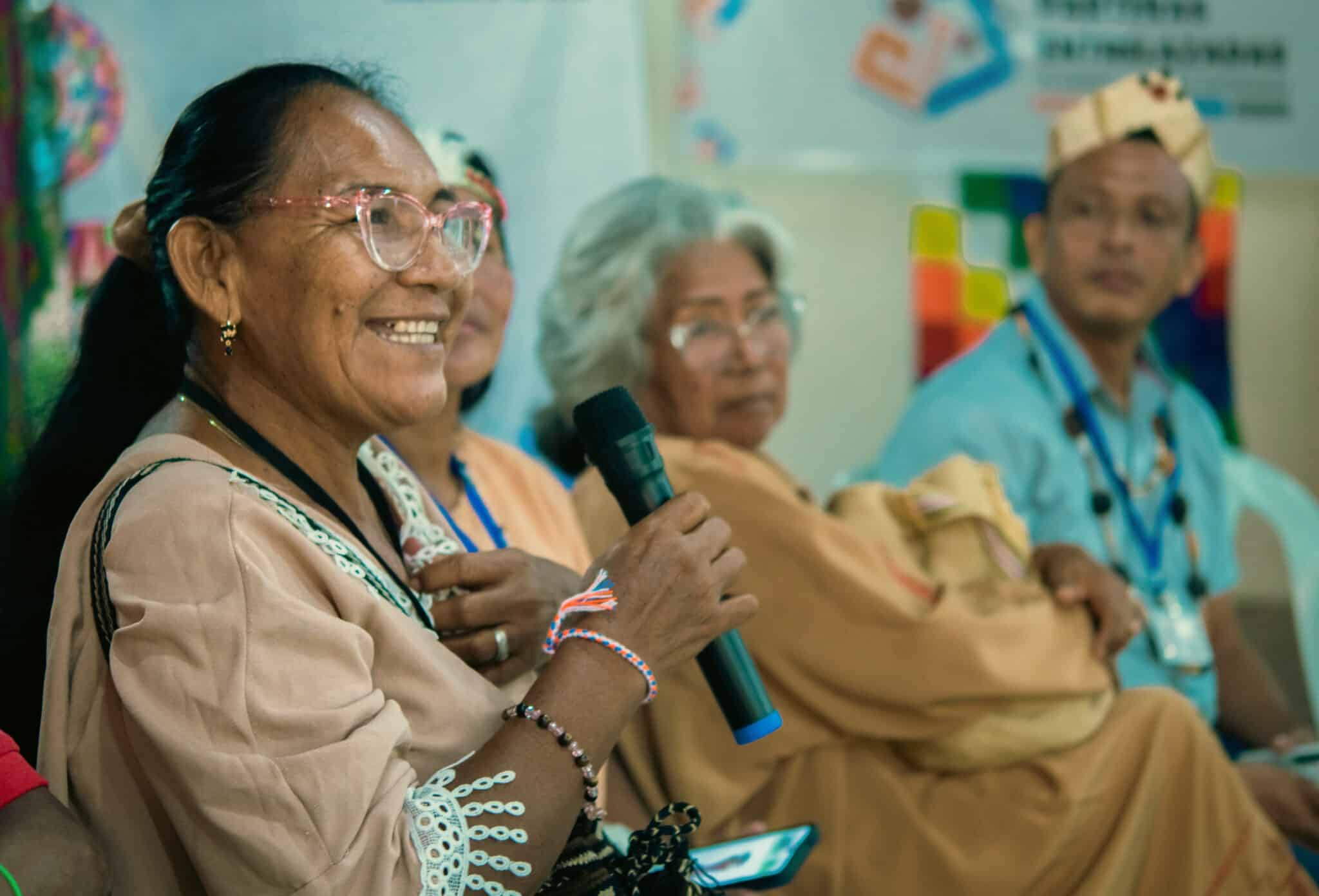
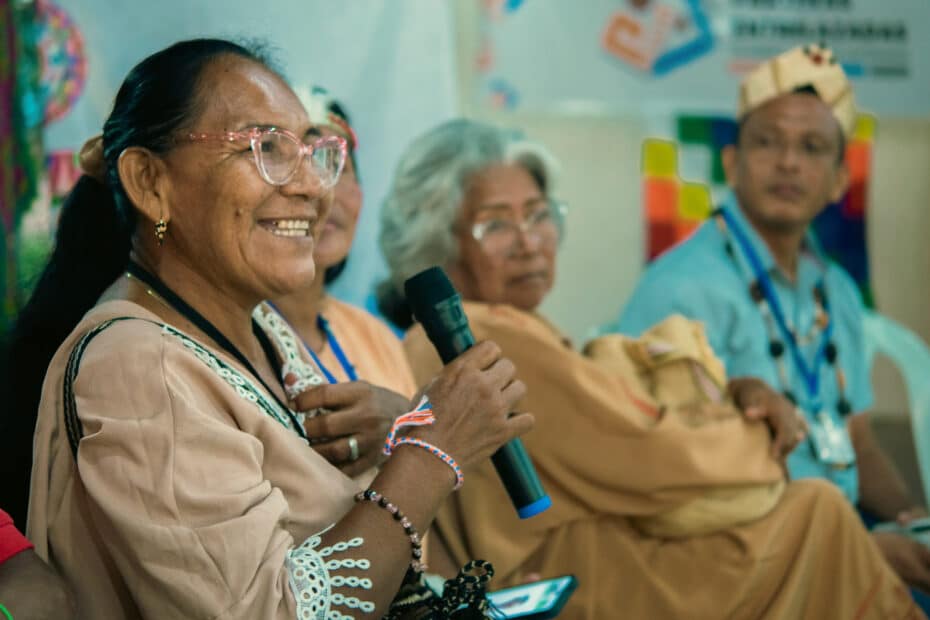
In a country facing ongoing economic and health system pressures, Venezuela’s rural and Indigenous communities often rely on traditional midwives for essential care. Yet despite their vital role, their knowledge remains undervalued and lacks legal protection. Funded by Global Affairs Canada and led by UNFPA-Venezuela, Safe and Respectful Care in Venezuela is working to strengthen culturally appropriate, gender-responsive maternal, newborn, and reproductive health services for vulnerable communities in Zulia State.
Training for Respectful Maternal and Newborn Care
In Zulia, 29 health professionals were trained as respectful maternal and newborn care facilitators, with 92.9% participant satisfaction and strong representation across urban, peri-urban, and Indigenous communities. The training strengthened the capacity of clinicians, faculty, and health authorities, with clear potential for replication.
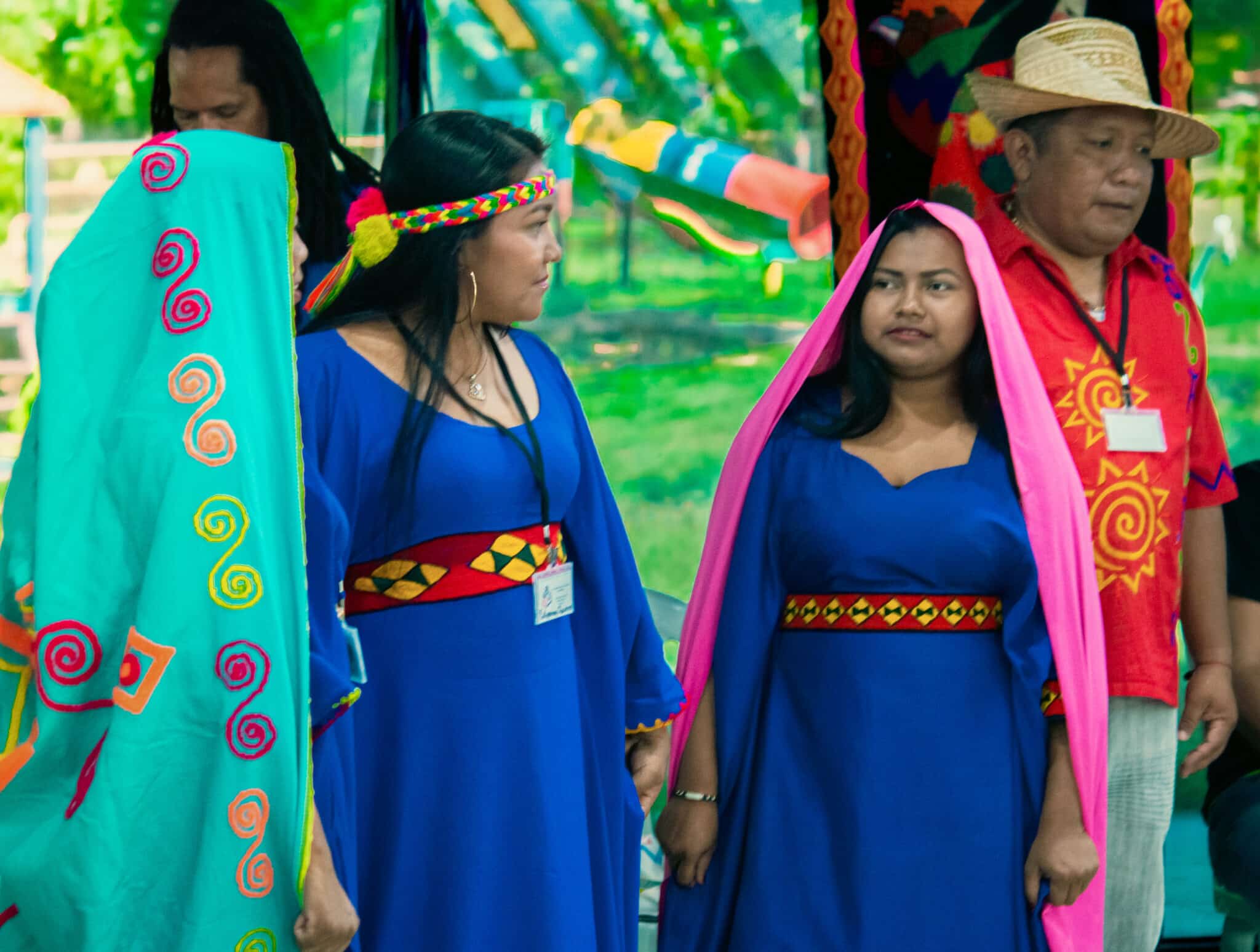
Intercultural Dialogue and Recognition
A Technical Working Group held in Maracaibo in March 2026 focused on integrating Indigenous midwifery into the public health system. Formal agreements were signed, and a commitment was secured to hire 89 Indigenous midwives as health agents in Zulia State.
Knowledge Sharing and Partnership Building
CAM also supported the Spanish translation and regional sharing of the Canadian Indigenous Midwifery Competency Framework, helping support two-way learning, stronger partnerships, and greater recognition of ancestral midwifery knowledge.
HR4-SRHR (Human Resources for Sexual and Reproductive Health & Rights in South Sudan)
South Sudan continues to face deep political, economic, and humanitarian pressures, yet midwives, youth workers, and local partners continue to move forward with determination. Through the Global Affairs Canada-funded, UNFPA-led HR4 project, CAM and its partners are advancing sexual and reproductive health and rights through communications, capacity building, regulatory support, and youth engagement.
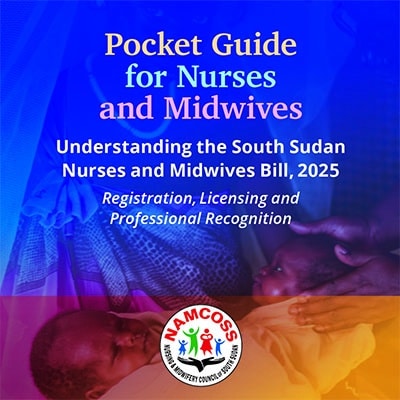
A Milestone for Midwifery Regulation Congratulations to NAMCOSS and SSNAMA on this significant milestone for midwifery in South Sudan. The recognition of midwifery within the Nurses and Midwives Bill is a major achievement that helps affirm the profession’s legitimate place within the health system. Formal regulation brings clearer standards, stronger accountability, and greater recognition of the critical role midwives play in delivering safe, skilled, and respectful care. In a challenging context, this progress represents an important foundation for the future of the profession.
A virtual learning exchange with Canadian midwives Kelly Dobin, Registrar and CEO of the College of Midwives of Ontario and Claire Ramlogan-Salanga, Chair of the College of Midwives of Ontario. and 16 members of NAMCOSS and SSNAMA, along with the development of a user-friendly print and web pocket guide, helped support awareness of the Bill and its practical implications for nurses and midwives.
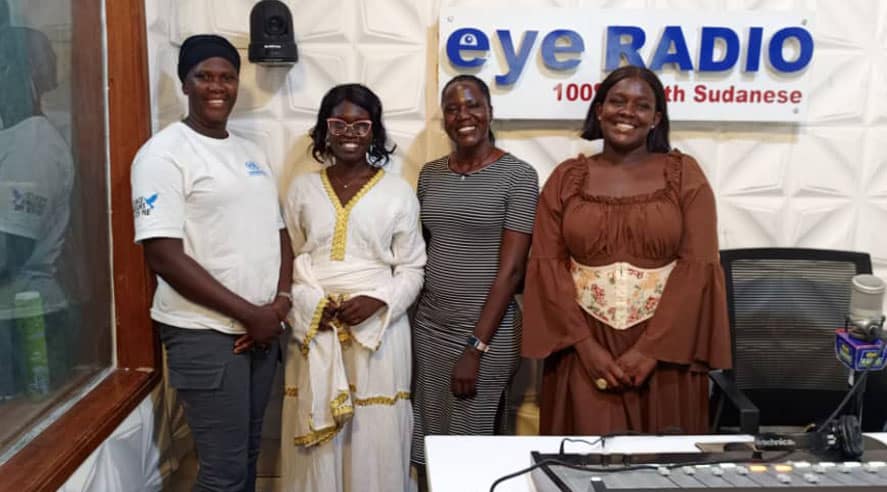
Zone 72: Reaching Youth Through Radio In March, Zone 72 radio programming focused on girls’ and women’s rights, sexual and reproductive health, consent, safety, and disability inclusion. Across four shows, guests highlighted the need for accurate information, youth-friendly services, stronger accountability, and more inclusive support systems. The programme continues to have significant reach, with a weekly audience of 900,000 people, 27,800 Facebook Live views in March, and 129,000 online interactions. Overall, an estimated 514,500 women and girls received awareness-raising messages.
Continuing Professional Development CAM technical team curated a total of 48 courses for nurses and midwives that are free and available online. The courses will be vetted and shared on the National Council of South Sudan’s website for virtual sessions.
SMILES (Somali Midwives for Improving Lives and Enhancing Sexual and Reproductive Health )
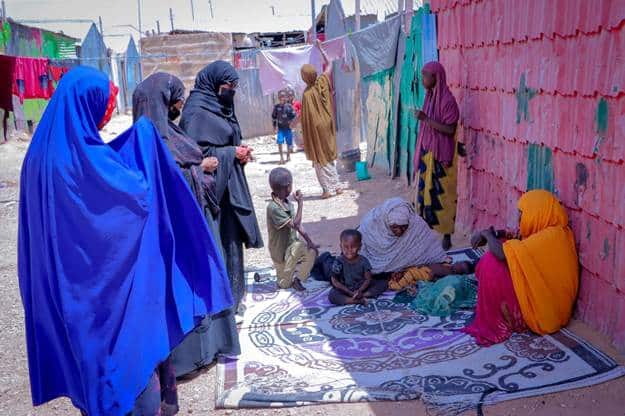
CAM, SOMA, SLNMA, and PAM advanced preparations for a gender-responsive supportive supervision program across midwifery schools and health facilities. This included recruiting a consultant to train steering committees, engaging volunteers to review best practices, and organizing orientation sessions and trainings.
Supportive Supervision Program
CAM, SOMA, SLNMA, and PAM advanced preparations for a gender-responsive supportive supervision program across midwifery schools and health facilities in Somalia and Somaliland. Key steps included recruiting a midwifery consultant to train steering committees and engaging volunteers, including a Canadian student midwife, to conduct a literature review on best practices with a focus on gender, inclusion, and environmental responsiveness. Orientation sessions and trainings are also being organized.
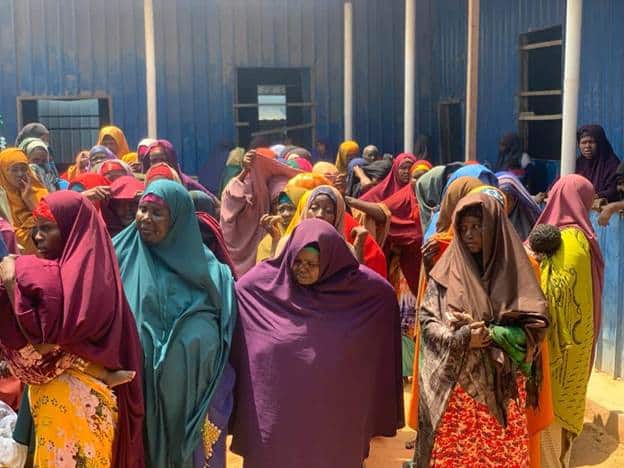
Midwifery Curriculum Implementation
In Somaliland, SLNMA in collaboration with the Ministry of Health Development, and the project consortium, prepared orientation sessions for nine accredited midwifery schools on the revised, gender-responsive curriculum. Plans also progressed for a Training of Trainers aimed at effectively train midwifery tutors and clinical instructors on existing gaps in midwifery education.
Improving Student Assessment Tools
Preparatory work continued to support the co-development of standardized and robust student assessment tools for midwifery schools. This included a desk review led by a Somali Canadian student midwife volunteer, consultations with midwifery schools, midwifery associations and other key stakeholders, recruitment of a Canadian midwifery education consultant, and planning for upcoming tutor training sessions.
Organizational Strengthening of Midwifery Associations
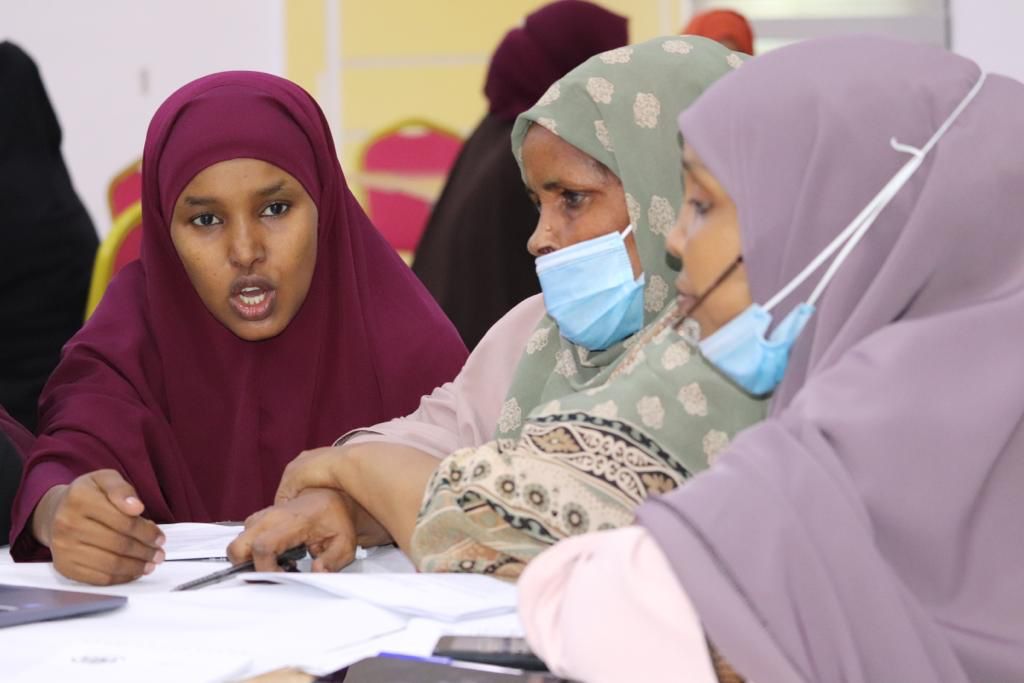
SOMA, SLNMA, and PAM initiated efforts to strengthen their organizational capacity through the development of new strategic plans. This included recruiting consultants and engaging a Canadian midwife volunteer to conduct a desk review of existing frameworks and policies. An online strategic planning workshop for staff and board members was also delivered and a resource library with tools and templates was created and shared to support future planning.
More information https://canadianmidwives.org/cam-global-announces-new-project/
(TRUST) Women’s Voices, Midwifery Leadership for Resilient Health
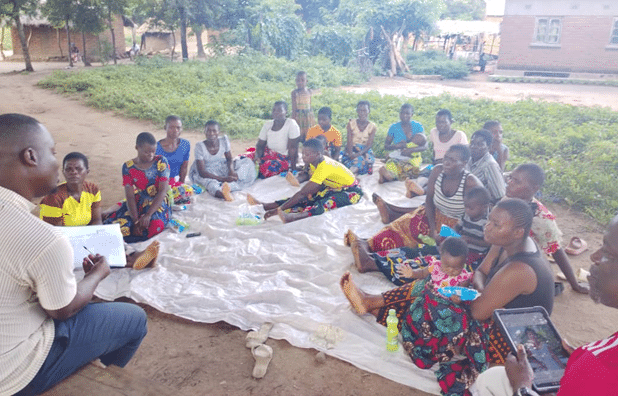
CAM Launches TRUST: Women’s Voices, Midwifery TRUST is a five-year, $8.5 million project led by CAM and funded by Global Affairs Canada to strengthen health systems and advance sexual and reproductive health and rights for women and girls in South Sudan and Malawi. By supporting midwives’ leadership, improving education, and promoting inclusive, rights-based, and climate-just advocacy, the project is laying the groundwork for long-term systems change.
Project Rollout
In early 2026, TRUST moved into full implementation following approval of its five-year plan in late 2025. Baseline assessments were completed in Malawi and are nearing completion in South Sudan, providing critical data to guide performance measurement and track progress over the next five years. Stakeholder engagement was also carried out across all five project locations to build local buy-in and shape implementation.
Malawi: Research to Guide Communication and Advocacy
In Malawi, Farm Radio Trust conducted formative research in 40 villages across Mwanza, Ntcheu, and Mzimba South to better understand local barriers, myths, and misconceptions related to midwifery and SRHR. The findings are providing the essential data for designing context-specific SRHR messages to ensure that the project’s mass awareness campaigns are responsive to the actual SRHR needs and preferred platforms.
Malawi: Research and Strategic Planning
AMAMI successfully disseminated its new 2026–2030 strategic plan across the three TRUST districts — Mzimba South, Ntcheu, and Mwanza — as well as at national level during an SRHR Technical Working Group meeting. The plan is designed to strengthen both AMAMI’s external partnerships for advocacy and resource mobilization, and its internal capacity for stronger, more effective impact on the ground.
Mourning a loss: The Canadian Association of Midwives acknowledges with deep sadness the passing of Tanzina Mounik in March 2026. Tanzina served as Program Manager with CARE Canada, managing CARE Canada’s gender equality and social inclusion contributions to the TRUST project in both Malawi and South Sudan, as well as working closely in support of CARE South Sudan. Through her leadership and professionalism, she made a meaningful contribution to strengthening the project’s work and partnerships. She will be remembered with respect and appreciation by her colleagues at CAM and across the TRUST project.
For more information about TRUST