Gender-based violence (GBV) doesn’t always leave a bruise. It can involve intimidation, coercion, emotional, financial or sexual abuse. Worldwide, nearly one in three women experience physical or sexual violence.
Worldwide, nearly one in three women have experienced physical or sexual violence during their lifetime, according to the World Health Organization. In Canada, 45% of women who have ever been in an intimate relationship reported experiencing intimate partner violence since age 15, according to Statistics Canada’s 2025 survey. The 16 Days of Activism Against Gender-Based Violence (November 25–December 10) remind us that freedom from violence is a human right.
Under the theme “Trust Begins with Respect,” midwives from Canada, Tanzania and the Democratic Republic of the Congo share how they recognize violence, challenge harmful practices, support survivors and build trust through respectful, trauma-informed care.
Identifying details of clients have been withheld.
Midwife Voices
Carol Couchie
Indigenous Midwife | National Council of Indigenous Midwives
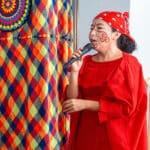
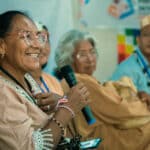
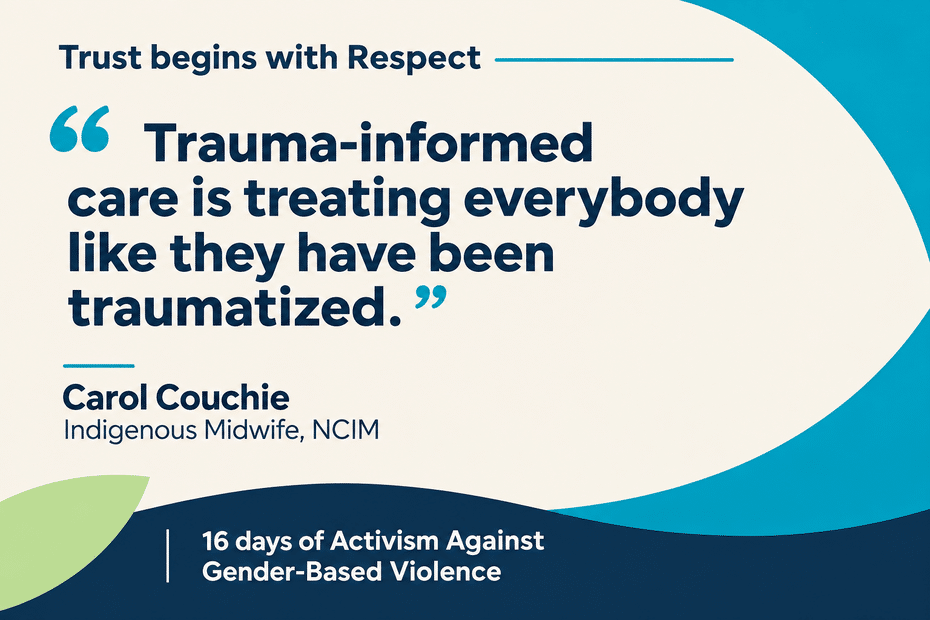
“Violence begets violence, and we live in a colonial world that has been violent systemically to all the people. We are all affected by racism, colonial concepts, capitalism. .. There’s a lack of kindness in our society. So practicing kindness and caring in your office, in the way you conduct your clinical life, the people that answer the phone, the people that make appointments, considering outreach where you have your clinic….What trauma-informed care does is it assumes that whoever’s in front of you has suffered trauma, has come from a violent situation. It doesn’t ask questions. It’s patient, kind, it forgives the person that comes on the wrong day and figures out a way to see them. It has food in the clinic. It arranges the clinic in a way that can be accommodating, make the time to listen and not be probing with questions and a list, but to be ready with the resources within their community to be able to refer that person.”
The above excerpts are drawn from two video interviews with Carol Couchie. Her comments have been grouped by theme for length and clarity.
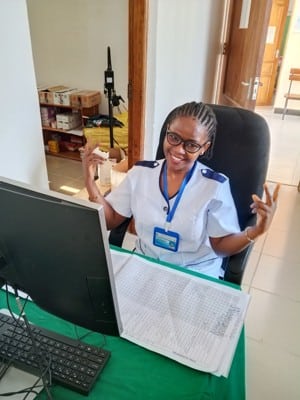
Siti M. Mbawala
Midwife, Tanzania Association of Midwives
In a 2021 statement, United Nations human-rights experts estimated that women and girls with disabilities are at least two to three times more likely to experience gender-based violence than other women and girls.
Four years ago, I was running a mobile outreach clinic in the communities around Kibaha when I met a girl who had almost run out of hope. She was 17 years old, pregnant, and living with a physical disability. Instead of care, her pregnancy brought her insults, beatings and rejection, both from the family who raised her and from the community around her. She was afraid to go home. She had come close to ending her life… I listened, without judgment and without hurrying her. For a girl who had heard only blame, being heard was where healing began.
Then I asked to meet her family. I did not go to accuse them. I went to talk with them, and they listened too. Slowly, the family changed. The home that had hurt her became the place that supported her. Months later, she gave birth to her first baby by caesarean section. Today, mother and child are both doing well. I love educating my community and helping women give birth safely. But this girl taught me that safe motherhood begins long before the delivery room. It begins when someone finally feels respected enough to trust.”
Baraka Sospeter Msuluja
Midwife | Southern Zonal Referral Hospital, Mtwara (Tanzania Association of Midwives)
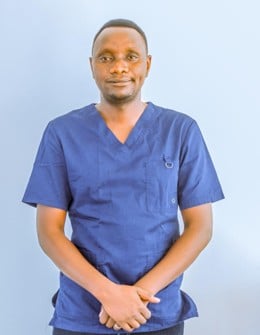
“One morning on the postnatal ward, a mother arrived for her first check-up after giving birth. She walked in carrying sadness, fear and wounds that no one could see. As I welcomed her, I could tell her mind was heavy…Slowly, she began to speak. She told me about the violence she had been living with at the hands of her partner: the beatings, the insults, and being denied the right to make decisions about her own life.
I let her speak. I did not interrupt her, blame her or judge her. I listened carefully, comforted her, and told her clearly that what had happened to her was not her fault. I cared for her with respect, love and dignity, assessing both her health needs and her safety. Most importantly, I protected her confidentiality. I also explained the support and services available to survivors of violence, so she would know she was not alone. When she left, there was new hope in her face. Before she went, she said something I will never forget: ‘Today I have learned that there are still people who can listen to me without judging me.
Jasmin Tecson
Registered Midwife | Association of Ontario Midwives
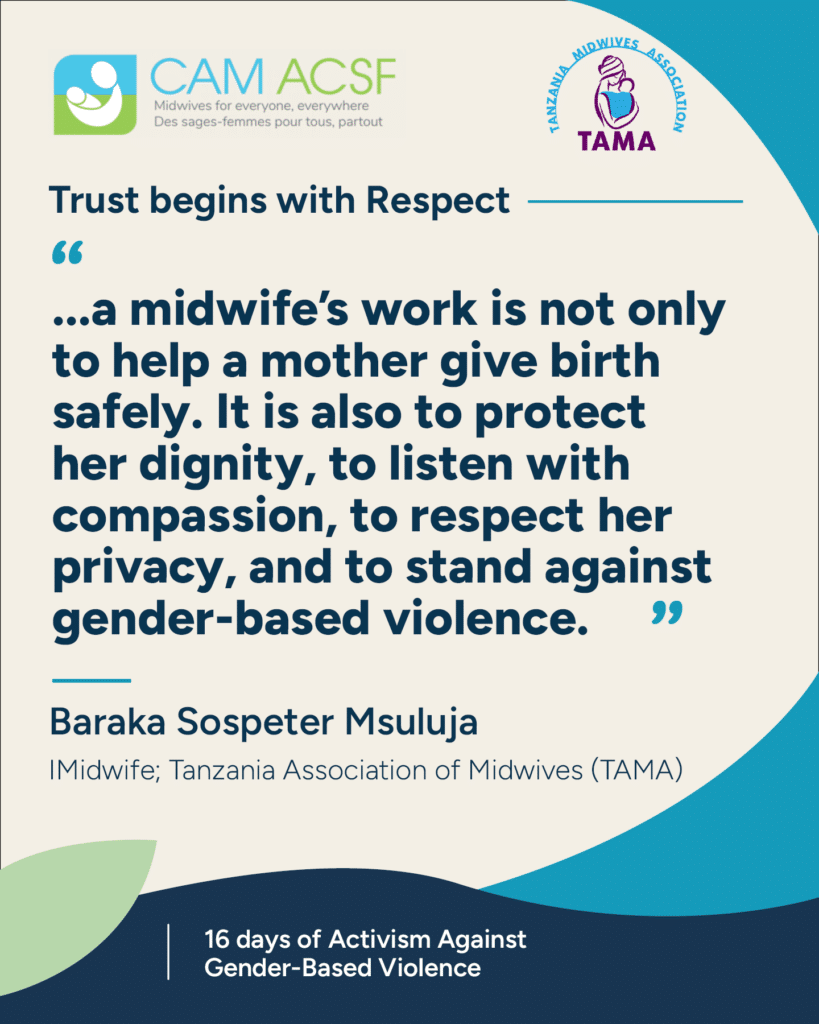
“What we are talking about essentially is somebody having the intent to exercise power and control over somebody else against their will. And often those signs are subtle. So in our work as midwives, it’s those subtleties that we have to be paying attention to, that we have to be alert to, and not make assumptions about somebody’s background that might exempt them or make them more vulnerable to violence…”
Elizabeth Brandeis
Registered Midwife | Association of Ontario Midwives
People really have an assumption that family violence is only physical violence, or that it’s violence that leaves physical marks and evidence. But family violence can take many different forms. It can be psychological, emotional violence, it can be financial violence or sexual violence. And those forms of violence aren’t always evident or obvious unless you’re asking the right questions or building that trust to hear about it.
If a client has a strong reaction to something, it’s really important to instead of think what’s wrong with you, to reframe the way we approach our care and think what’s happened to this person in their life that might be eliciting that response.”
Awadhi Zakaria Rashidi
Midwife | Lulanzi Hospital, Kibaha, Pwani Region
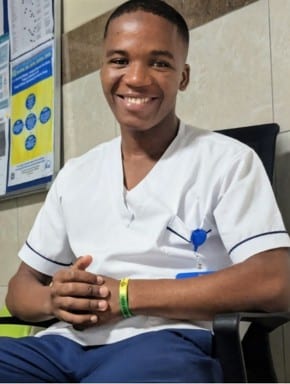
“Picture a mother arriving at the hospital in labour. During the examination, the midwife realises she was cut when she was a little girl. The scars left behind make her birth harder and more dangerous. She faces a greater risk of tearing, heavy bleeding and infection. She arrives already afraid, and the pain is severe. In that moment, we midwives must draw on every bit of our skill and care to bring her and her baby through safely. The harm does not end in the delivery room. FGM can leave women with long-term pain, infections, difficulties in intimate life, and lasting fear and distress.
That is why I call on parents, traditional and religious leaders, and every member of our community to work together to end FGM. Let us protect our daughters from practices that put their lives and health at risk, and build a culture of education instead of harmful tradition.
That is why I call on parents, traditional and religious leaders, and every member of our community to work together to end FGM. Let us protect our daughters from practices that put their lives and health at risk, and build a culture of education instead of harmful tradition.
As midwives, our duty is not only to help women give birth safely. It is also to educate, and to help prevent the suffering that can be avoided. I believe change begins with education, and every one of us has a part to play in protecting the health, dignity and rights of the girl child.”
Ntabugu Christin
Midwife | SCOSAF, South Kivu, Democratic Republic of the Congo
“In a context marked by armed conflict, forced displacement and gender-based violence, I prioritize compassionate listening without judgment, respect for privacy and confidentiality, and free and informed consent before every intervention. By taking the time to explain care, respond to women’s concerns and treat them with respect, we contribute to creating a safe and supportive environment. Respectful maternity care helps restore women’s dignity and ensures that their experiences are valued. Every woman deserves to be accompanied with humanity, dignity and respect, regardless of her circumstances in life. Trust cannot be imposed. It is built through our words, our actions and our ability to listen.”
Trust Is Built Through Everyday Actions
Across Canada, Tanzania and the Democratic Republic of the Congo, midwives show that gender-based violence is not always visible. Trust grows when people are heard without judgment, when signs of harm are recognized, when confidentiality is protected and when women and girls can make informed decisions about their care.
CAM offers educational videos, a family violence resource toolkit and Something Is Off, a graphic novel about pregnancy and intimate partner violence, to help midwives recognize violence and support clients safely.
Explore CAM’s Resources:
Midwives Recognize and Respond to Family Violence
UN human-rights experts (2021). Joint statement on gender-based violence against women and girls with disabilities. Global comparative estimate.
Al-Zumair et al. (2025). Midwives’ experiences working with women and girls surviving violence in Yemen: a qualitative study.
Siller et al. (2022, first published online 2020). Midwives Perceiving and Dealing With Violence Against Women.
World Health Organization. Violence against women.
Statistics Canada (2026). Gender differences in experiences of violence and unwanted sexual behaviour in Canada, 2025.