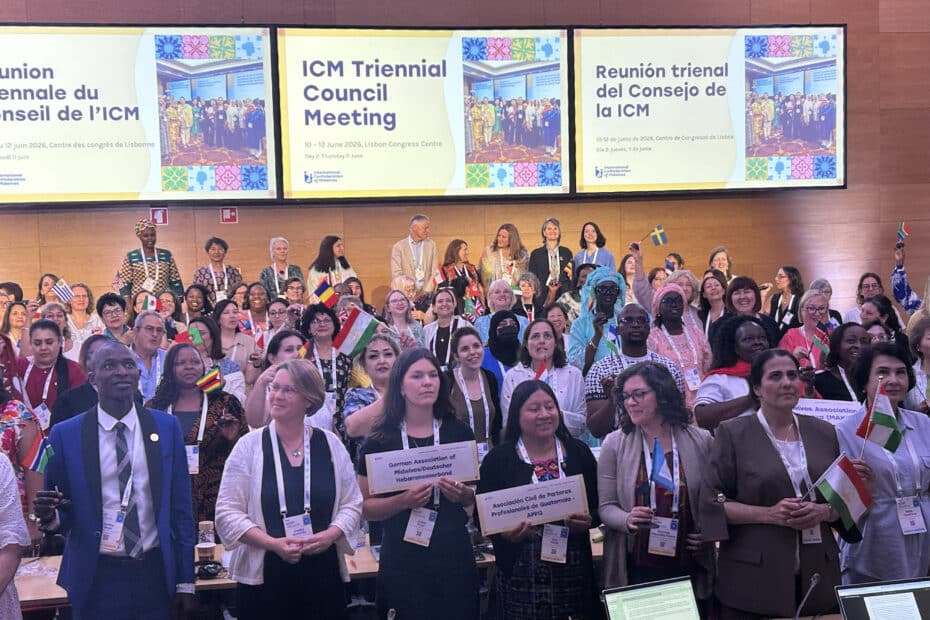
For CAM and the Canadian midwifery delegation, the Congress was an important opportunity to connect with the global midwifery community, share perspectives, learn from colleagues across regions, and reflect on the future of the profession. It was also a conference that raised urgent questions about governance, accountability, and most importantly, Indigenous self-determination, whose knowledge is recognized in global midwifery spaces.
Here are six key reflections from ICM 2026 :
1. Indigenous Midwifery Emerged as One of the Defining issues of the Congress
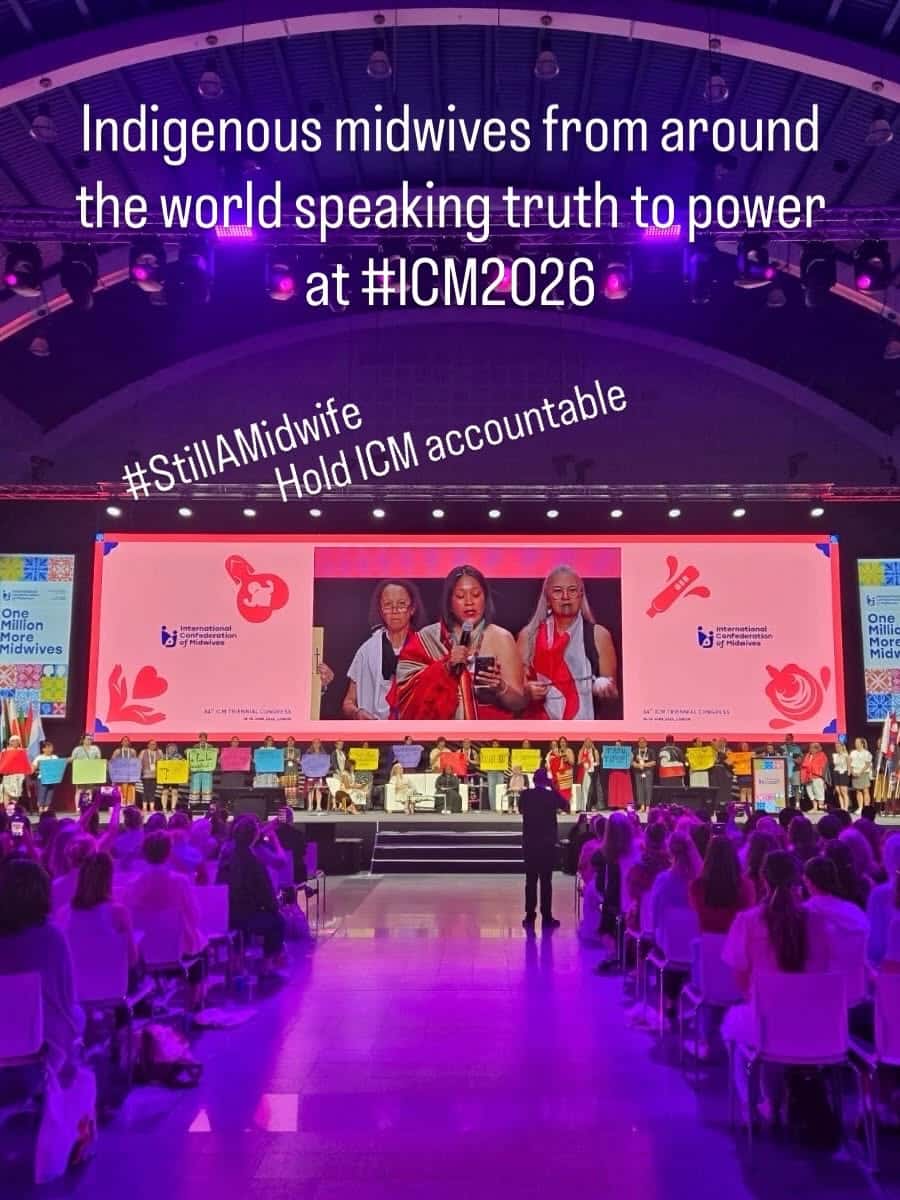
One of the most powerful and significant moments of ICM 2026 was the response from Indigenous midwives and allies to ICM’s handling of Indigenous midwifery, including the temporary suspension of the ICM Position Statement on Partnership Between Indigenous and Non-Indigenous Midwives. The events of the recent ICM Congress have exposed not only a disagreement about language, but a profound crisis of trust. In response, NCIM and CAM issued a joint statement rejecting ICM’s framing of Indigenous midwifery as primarily an issue of terminology and professional standards. The statement makes clear that the concerns raised by Indigenous midwives have consistently centred on Indigenous self-determination, Indigenous governance, and the recognition of multiple systems of knowledge and accountability. “NCIM and CAM reject the false choice between clinical competency and Indigenous knowledge systems. Indigenous midwives have always carried both.”
2. The Global Need for Midwives is Urgent, and the Case for Investment is Clear
The theme One Million More Midwives captured the central message of the Congress: the world needs more midwives, and it needs them to be properly educated, trained, supported, resourced, respected, and integrated into health systems. Across sessions and conversations, it was clearly reinforced that midwives are essential to improving sexual, reproductive, maternal, newborn, and adolescent health and the heart of stronger, more equitable health systems. The challenge is to create the conditions that allow midwives to practise safely, sustainably, and to their full scope. Whether advocating for better access to midwifery care, stronger workforce planning, or continued investment in midwifery education, the Congress reinforced that midwives must be central to health system transformation
3. ICM Remains a Powerful Space for Global Connection and Knowledge Exchange
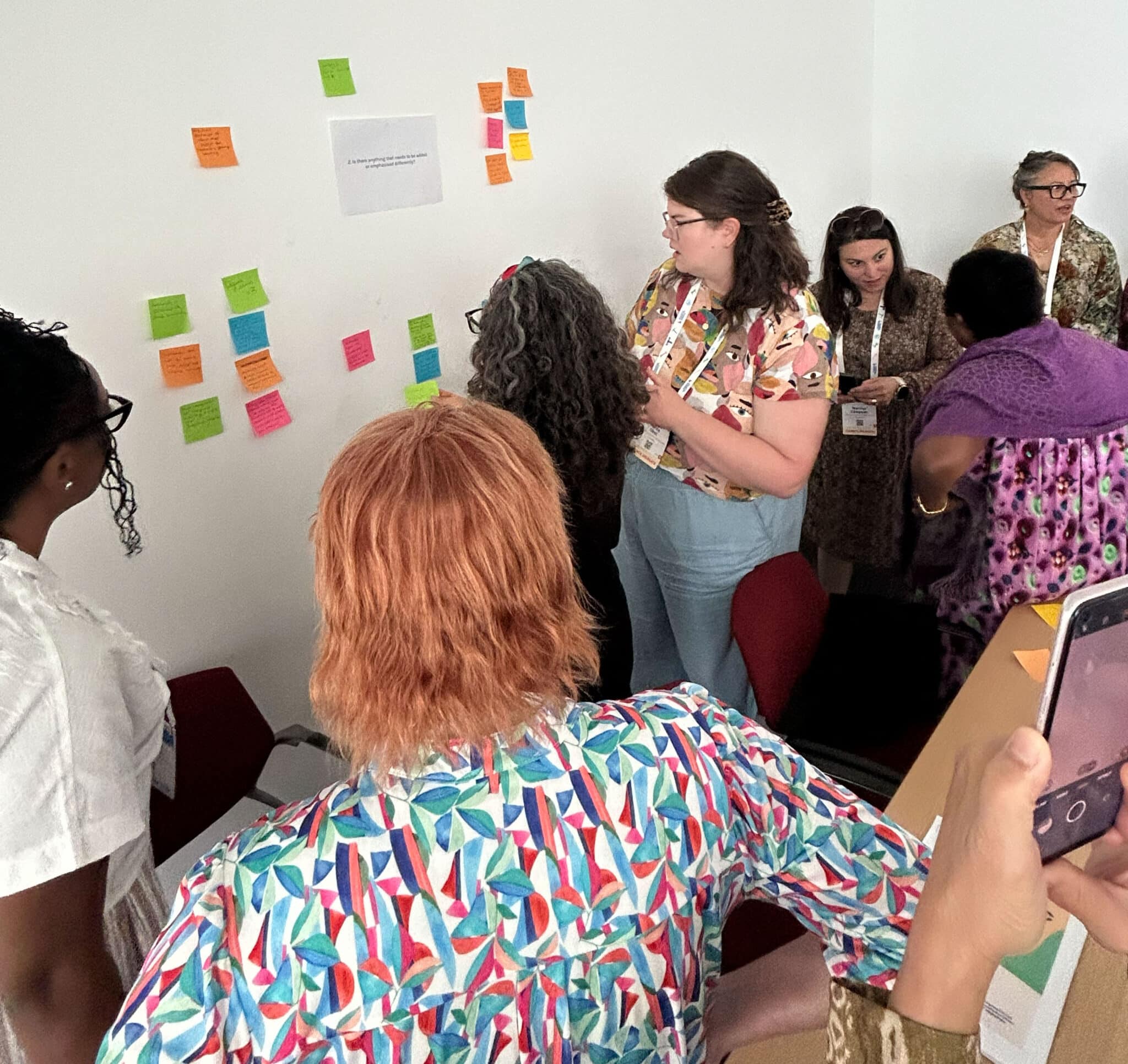
The Congress brought together midwives from many countries, practice contexts, languages, and systems of care, and reinforced the importance and value of in-person connection. ICM 2026 created space for research, education, professional development, policy dialogue, advocacy, and relationship-building. It allowed midwives to learn from one another and to see how shared challenges like workforce shortages, burnout, underfunding, regulation, inequity, and access to care can be shouldered together. For Canadian midwives, the Congress was a reminder that many of our national conversations are also global conversations: questions about recognition, compensation, education pathways, cultural safety, scope of practice, and midwifery leadership are being discussed across the profession, worldwide.
4. CAM Learns Offered a Concrete Example of Association-Led Support for Midwives
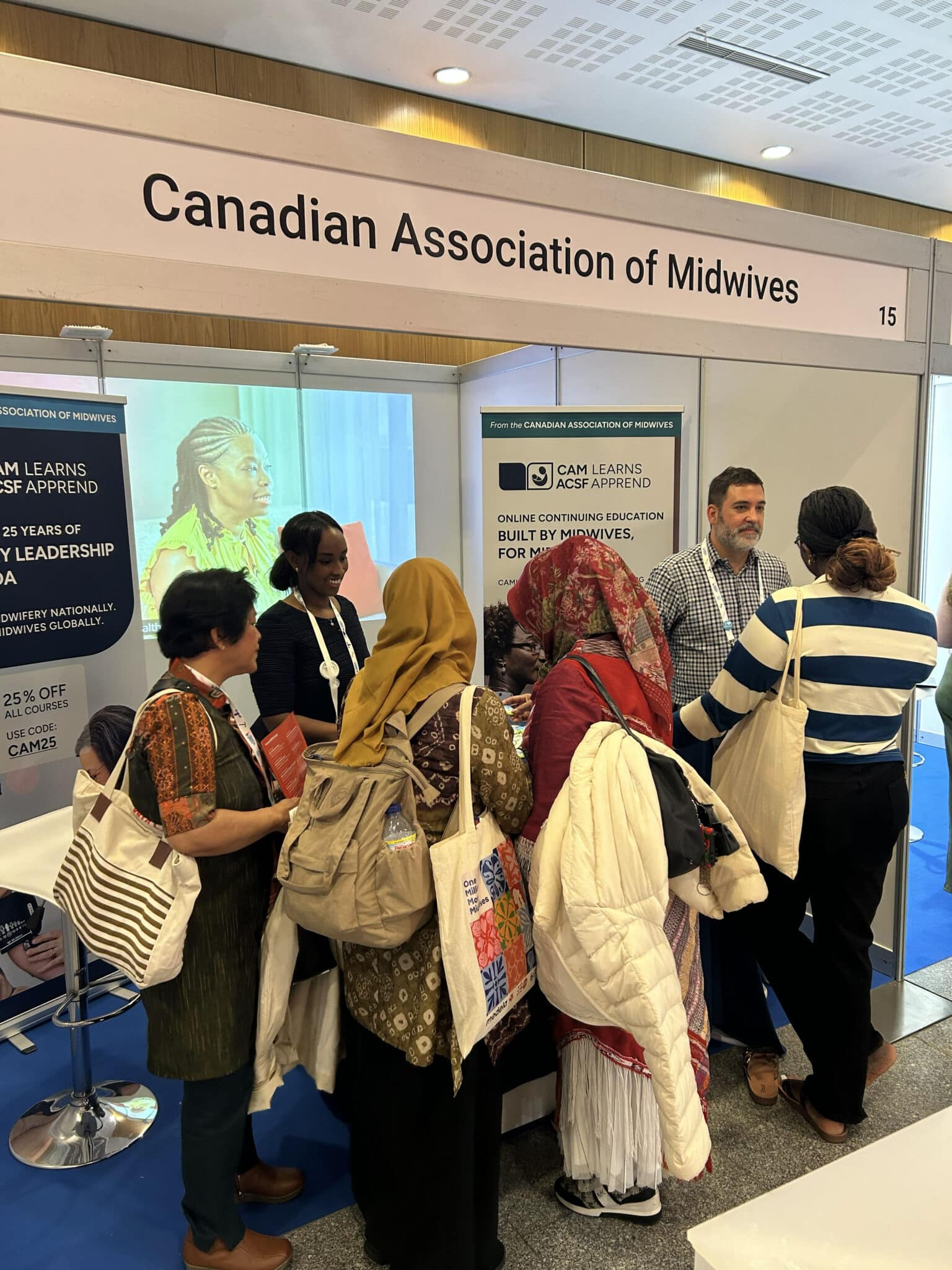
One of CAM’s visible contributions at the Congress was the CAM Learns exhibit booth, which introduced delegates to CAM’s continuing education platform and professional learning resources.
The exhibit space created opportunities to speak with midwives and partners about accessible, bilingual (English and French), equity-informed education. It also highlighted how national associations can support midwives through practical tools, courses, resources, and learning opportunities that respond to the evolving needs of the profession. In a global context where midwives are calling for more support, better training, and stronger professional infrastructure, CAM Learns offered a useful example of how associations can help strengthen the workforce in practical, accessible and sustainable ways.
5. Midwifery as Both a Profession and a Movement
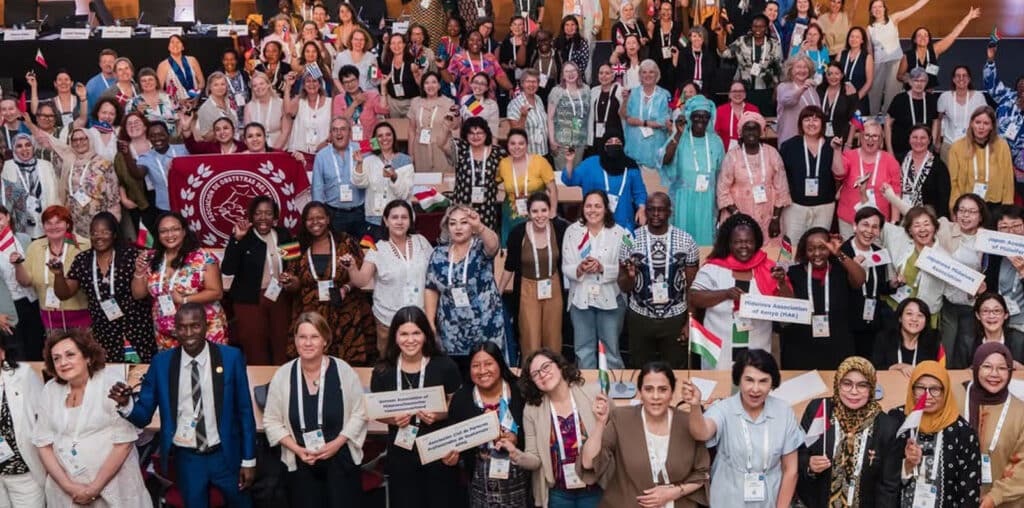
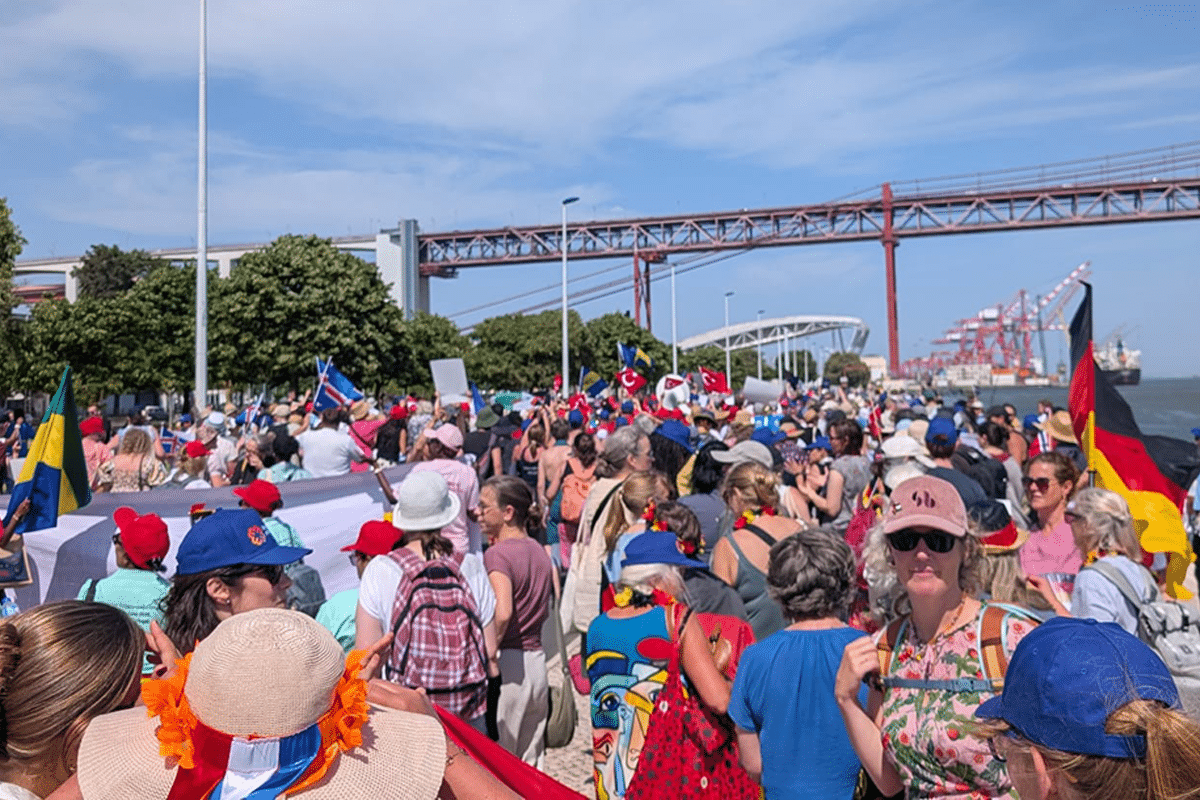
ICM 2026 was a visible expression of midwifery as a global movement. From Council meetings to plenaries, from research presentations to public marches, the Congress showed the full scope of the global midwifery community. We are educators, advocates, leaders, researchers, organizers, and community builders. Midwives are advancing reproductive justice, public health, gender equity, cultural safety, and the right of every person to receive respectful care. This is an important reminder that our collective work is about advancing a vision of care that is community-based, evidence-informed, equitable, and rooted in respect
6. The Future of Midwifery Must be Built with Accountability
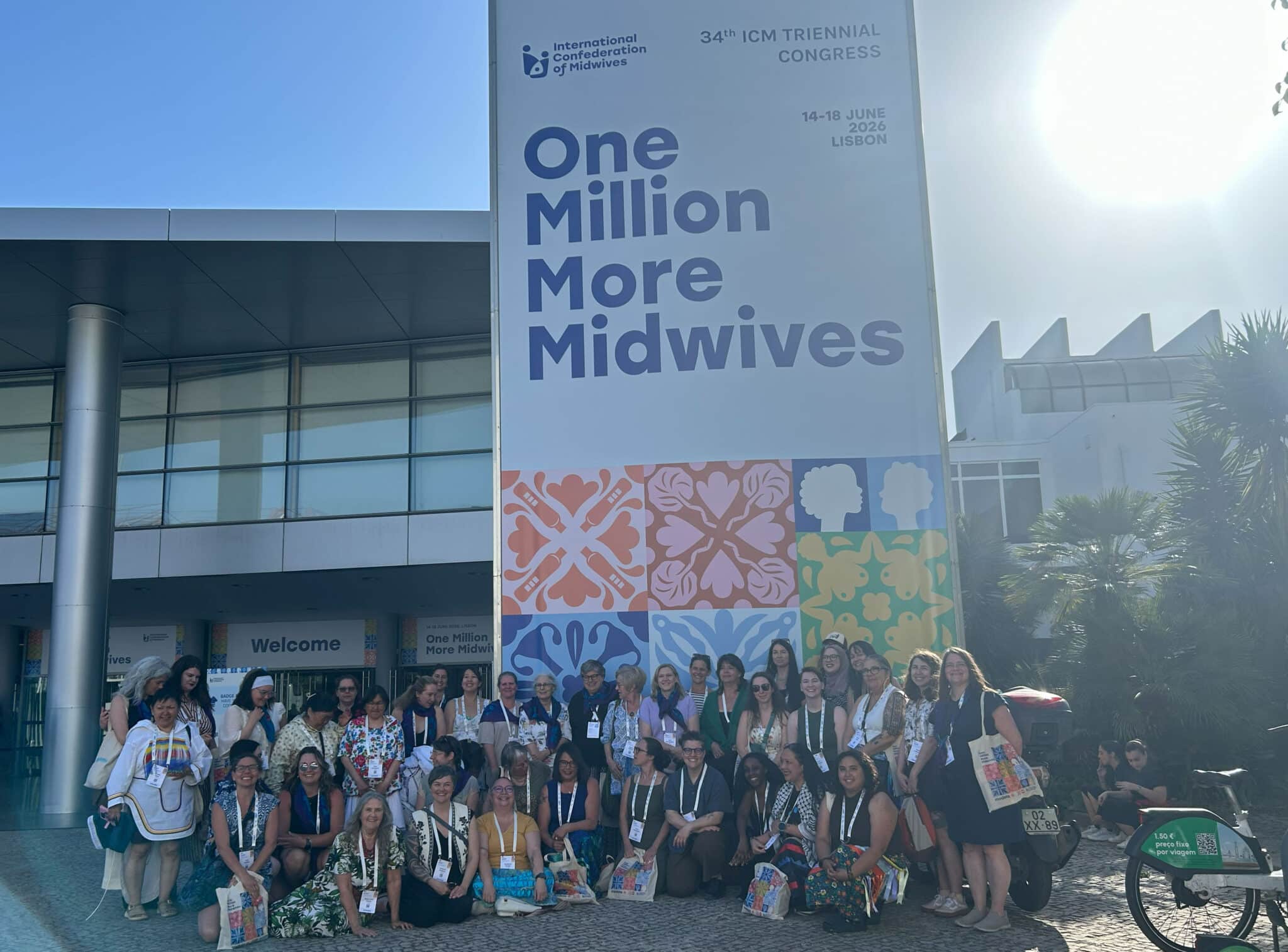
The goal of One Million More Midwives is urgent and necessary. But ICM 2026 also reminded us that numbers alone are not enough. The future of midwifery must be built with attention to power, governance, representation, and trust. It must include meaningful Indigenous leadership. It must make room for different systems of knowledge and accountability. It must ensure that midwives are not only invited into global spaces, but are able to shape the decisions that affect them and their communities.
The Congress was both energizing and sobering. It celebrated the strength of the global midwifery movement, while also making visible the work still required to ensure that global institutions are transparent, accountable, and responsive to the communities they represent.
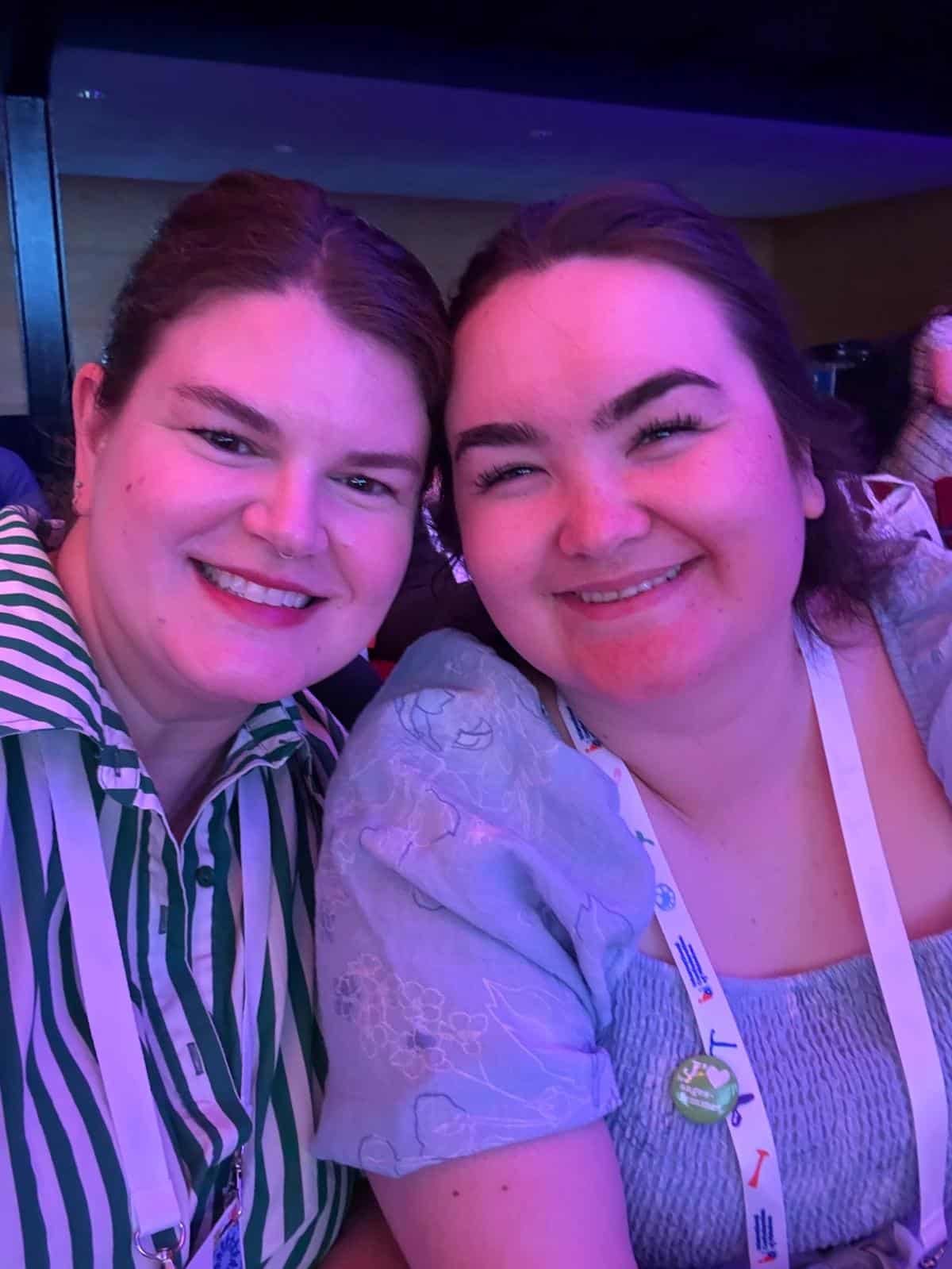
We carry forward the energy of global connection, the urgency of investing in midwives, and the responsibility to stand with Indigenous self-determination, equity, and accountability in the future of the profession. One million more midwives is an important goal. The questions are now is how we build that future, and, who gets to shape it.