From June through August 2026, midwives and CAM Global partners continued working to strengthen leadership, education and access to respectful care across Tanzania, Somalia, South Sudan, Malawi and Venezuela. This period included new training and advocacy initiatives, stronger professional associations, and important advances in supporting Indigenous midwifery.
Across very different contexts, one message remained clear: a thriving midwifery workforce is at the heart of stronger health systems. Investing in midwives means strengthening care, institutions and communities. Across very different contexts, one message remained clear: a thriving midwifery workforce is at the heart of stronger health systems. Investing in midwives means strengthening care, institutions and communities.
GLOBAL NEWS
ICM Conference
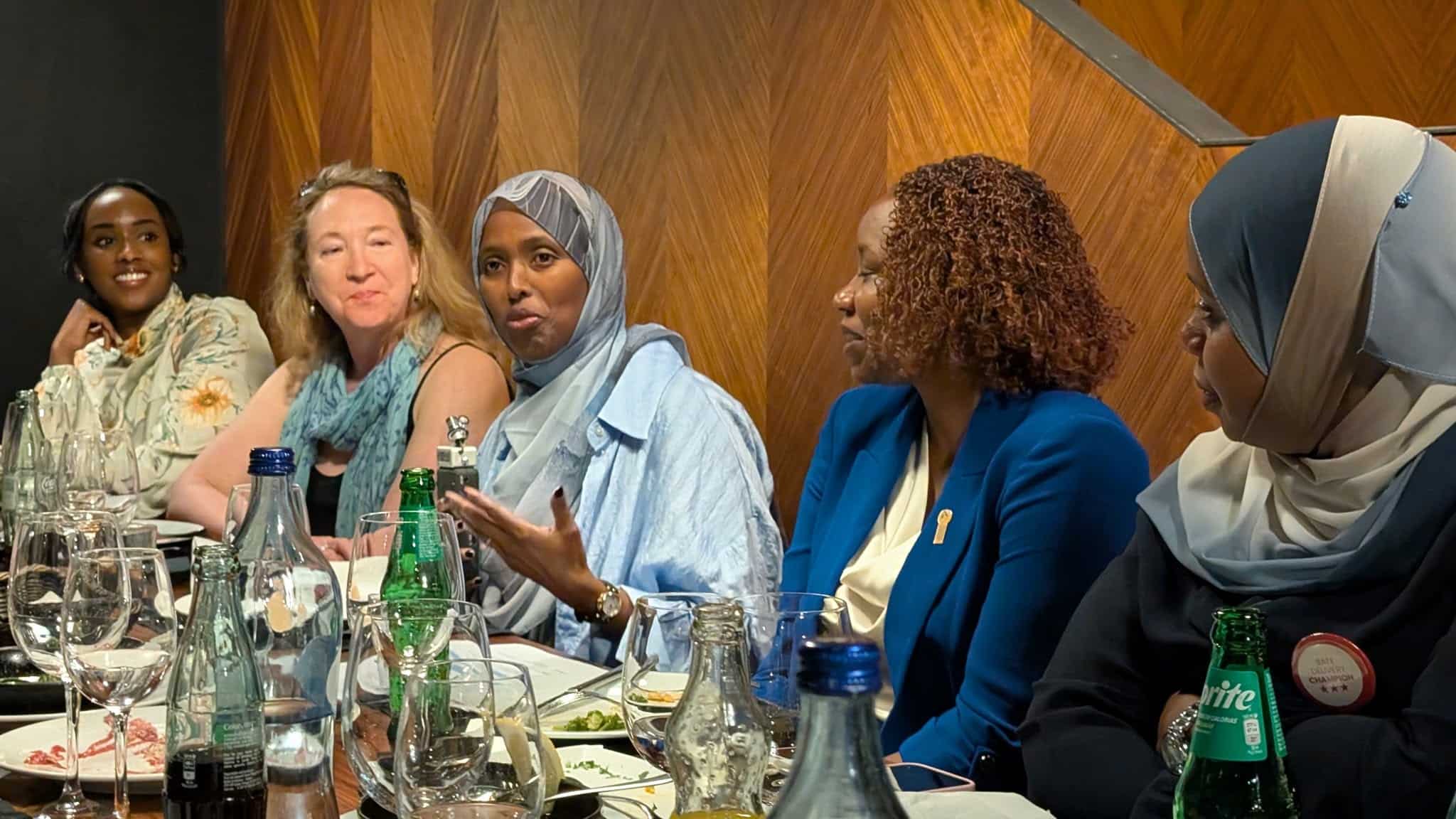
CAM hosted a wonderful association exchange at the ICM conference in Lisbon, bringing together representatives from TAMA, AMAMI, SLNMA, EMWA, CAM, and the National Midwives Association of Uganda (NMAU).
It was a valuable evening of connection, learning, and sharing, with conversations focused on governance, member engagement, and advocacy strategies across midwifery associations.
For more informtion about the 2026 International Confederation of Midwives Conference, visit HERE
ATENCIÓN SEGURA RESPETUOSA (Safe and Respectful Care in Venezuela)
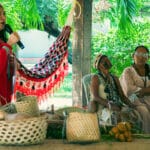
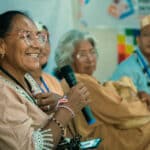
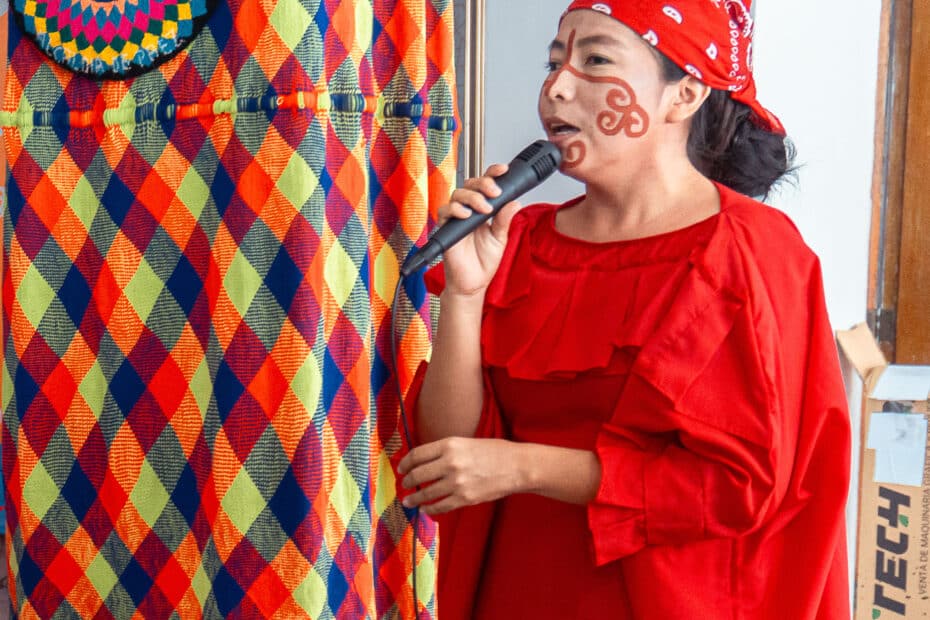
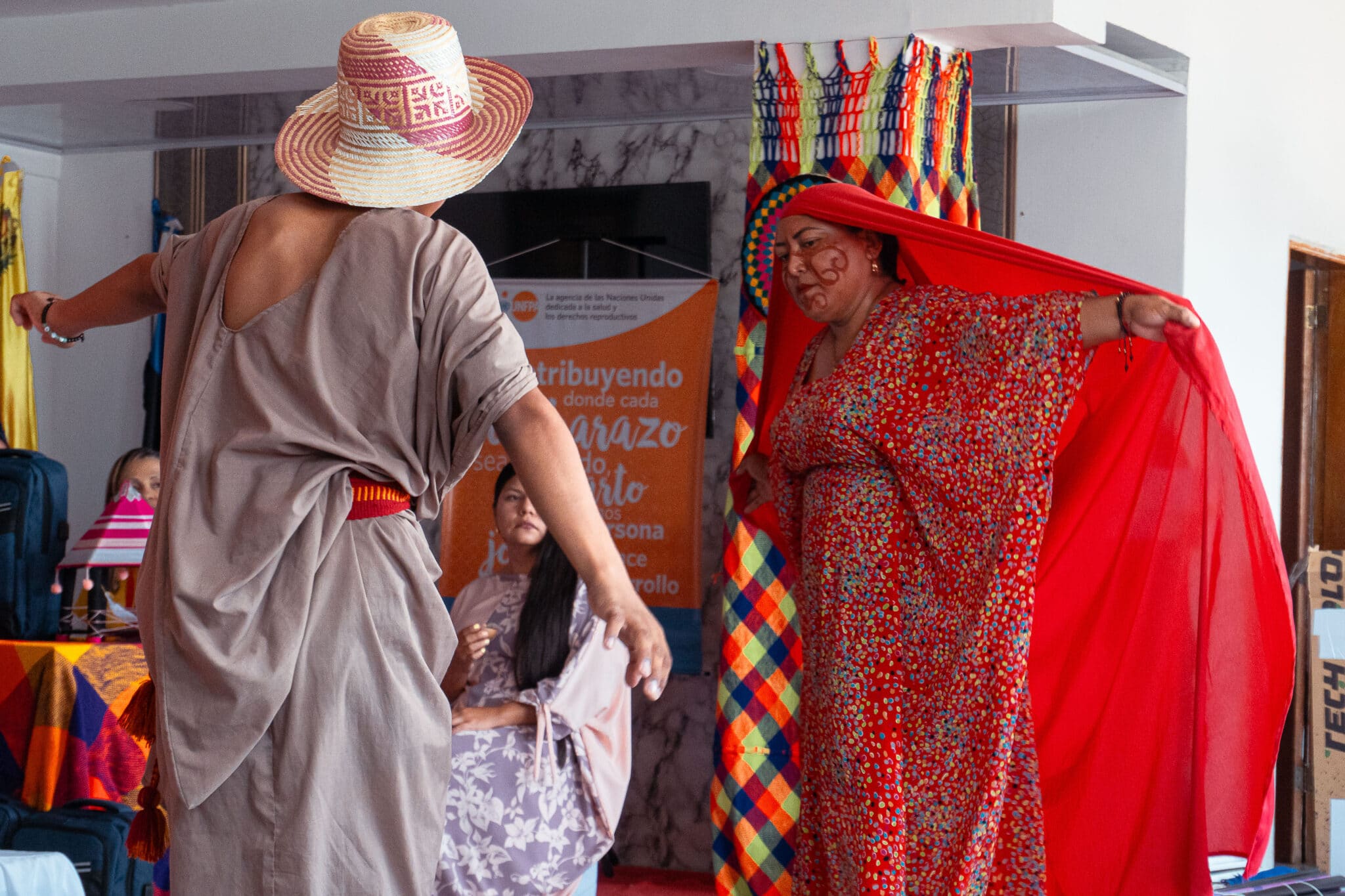
As the UNFPA led, Global Affairs Canada funded Respectful Maternal and Neonatal Health project in Zulia, Venezuela came to a close in June 2026, three years of collaboration left important foundations for more respectful, intercultural maternal care. Implemented by CAM with UNFPA Venezuela and local partners, with funding from Global Affairs Canada, the project strengthened health-provider capacity while advancing recognition of Wayúu and Yukpa midwives and their essential role in maternal and newborn health.
A Historic Step Toward Recognizing Indigenous Midwives
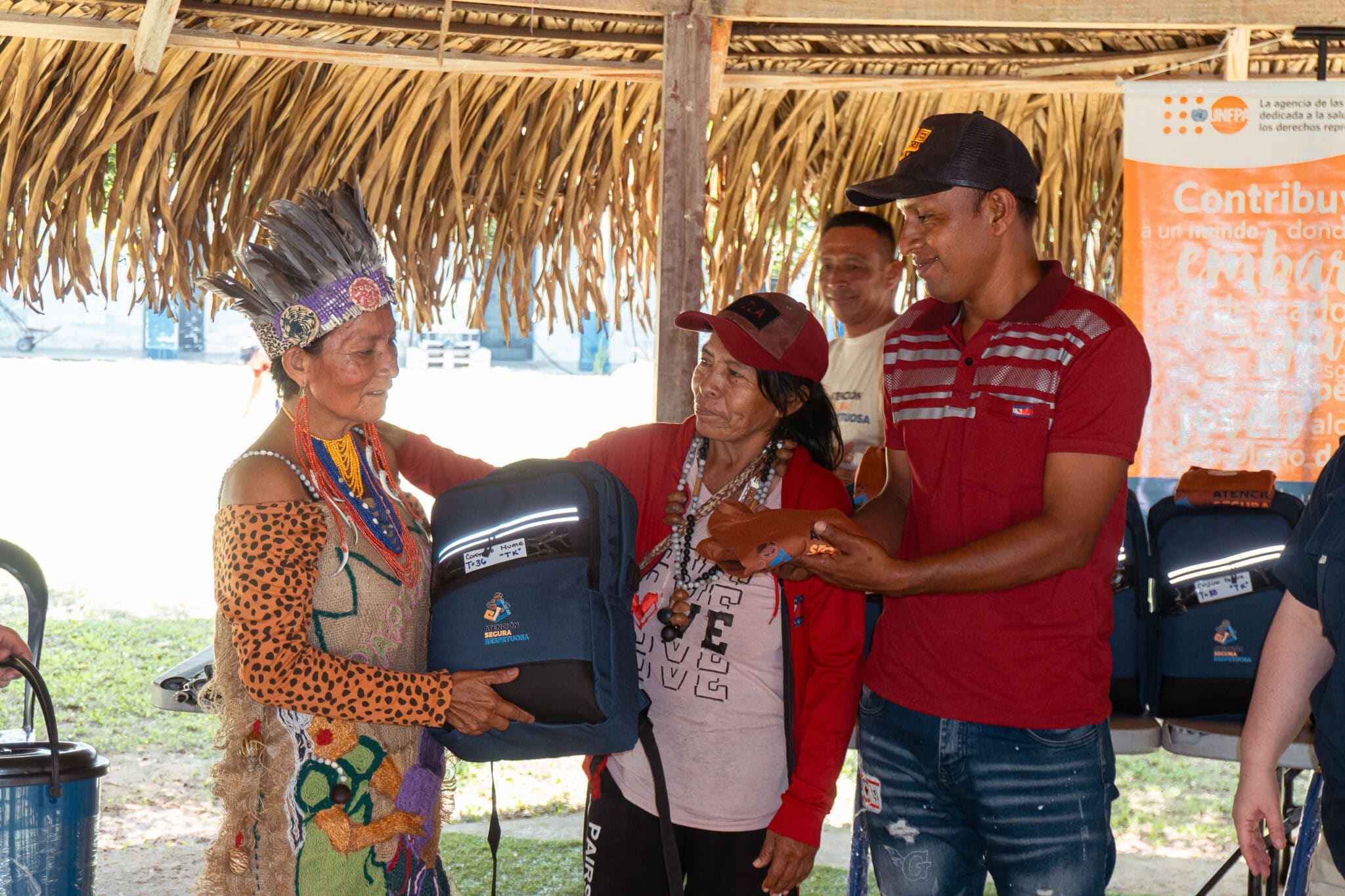
One of the project’s most significant closing achievements was a formal commitment to integrate 89 Indigenous midwives as health workers within Zulia’s public health system. The agreement followed sustained dialogue between midwives, health authorities and community partners and represents an unprecedented step toward greater recognition of traditional Indigenous midwifery in Venezuela.
Building Tools for Intercultural Maternal Care
The University of Health Sciences, with support from CAM and UNFPA, developed a Yukpa–Spanish Dictionary of Maternal Health and Medical History Terms. Together with the previously developed Wayuunaiki resource, these are the first tools of their kind in Venezuela and are designed to improve communication between Indigenous communities and health services.
Leaving a Sustainable Base for Respectful Maternal Care
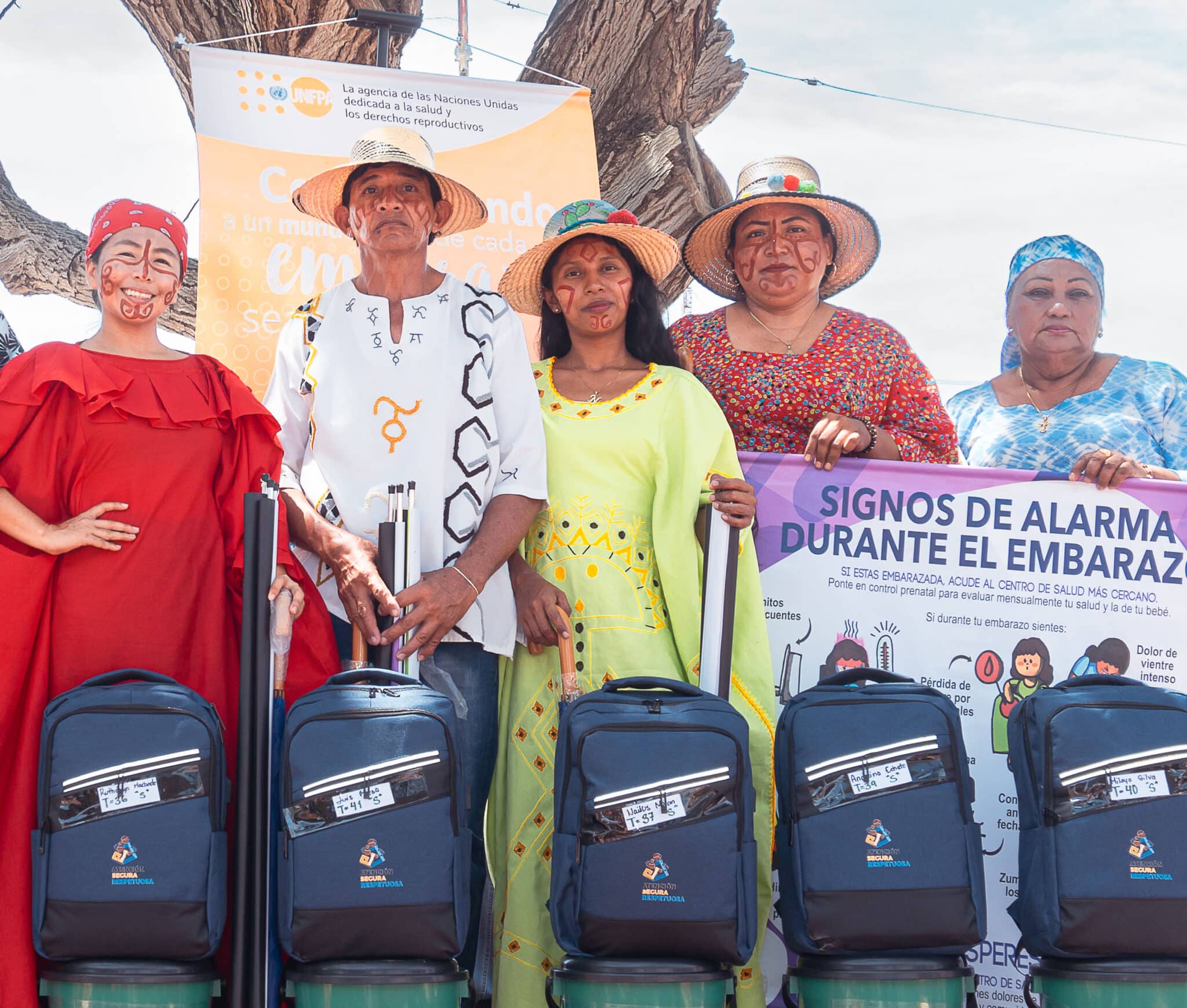
Across the project, 493 people participated directly, including Indigenous midwives, health professionals, community workers and health authorities. Fifty-four health professionals were trained as facilitators in Respectful Maternal and Neonatal Care, while culturally adapted resources and training tools remain available for continued use within health institutions and communities. In a country facing ongoing economic and health system pressures, Venezuela’s rural and Indigenous communities often rely on traditional midwives for essential care. Yet despite their vital role, their knowledge remains undervalued and lacks legal protection. Funded by Global Affairs Canada and led by UNFPA-Venezuela, Safe and Respectful Care in Venezuela is working to strengthen culturally appropriate, gender-responsive maternal, newborn, and reproductive health services for vulnerable communities in Zulia State.
Training for Respectful Maternal and Newborn Care
In Zulia, 29 health professionals were trained as respectful maternal and newborn care facilitators, with 92.9% participant satisfaction and strong representation across urban, peri-urban, and Indigenous communities. The training strengthened the capacity of clinicians, faculty, and health authorities, with clear potential for replication.
HR4-SRHR (Human Resources for Sexual and Reproductive Health & Rights in South Sudan)
South Sudan continues to face deep political, economic, and humanitarian pressures, yet midwives, youth workers, and local partners continue to move forward with determination. Through the Global Affairs Canada-funded, UNFPA-led HR4 project, CAM and its partners are advancing sexual and reproductive health and rights through communications, capacity building, regulatory support, and youth engagement.
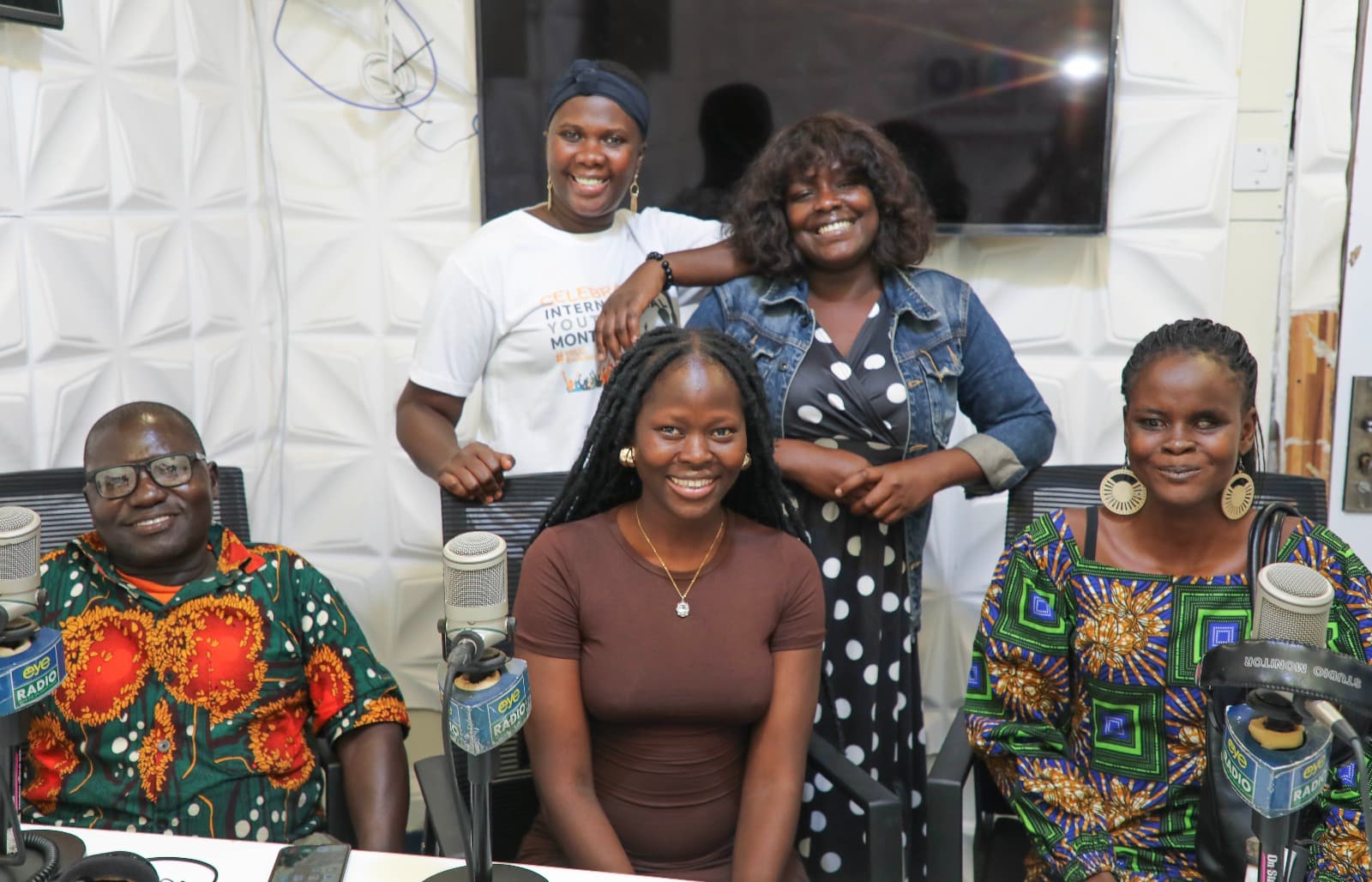
The End of YouthZone72 ? YouthZone 72 after five successful yeas, aired its final official broadcast on September 5, 2026, closing an important chapter on a platform that grew far beyond a radio show. Built with and for young people in South Sudan, YouthZone 72 became a trusted media ecosystem: a weekly call in show, Facebook Live broadcasts, public service announcements, dramas, comics, magazines, whatsApp groups, youth Q&As, workshops and community engagement. At its height, the radio show reached an average of 900,000 listeners each week and 10,000 viewers online, while its wider content extended conversations on SRHR, consent, gender-based violence, addiction, mental health, HIV, disability inclusion, financial literacy and young people’s futures. It was the only show in Africa to showcase live sign language interpretation. Huge thanks to the amazing team who made it possible: Gak, Grace, Baria, Kezia, Data, Anwan, Winnie and Donna for your passion, hard work, creativity and generosity.

The end of the broadcast is not the end of YouthZone 72. The next chapter imagines a leaner, locally led, podcast-first model, with each conversation adapted for radio, social media, WhatsApp, video and community use. The goal is to protect what made Zone 72 special, while building a more sustainable platform for the future.
Stay tuned!

SMILES (Somali Midwives for Improving Lives and Enhancing Sexual and Reproductive Health )
This summer, the Strengthening Midwifery for Improved Livelihoods, Education and Sexual and Reproductive Health (SMILES) project, funded by Global Affairs Canada, led by CARE Canada, continued to strengthen midwifery education and professional institutions across Somali communities. This work took place amid a complex political and security environment, including renewed tensions over Somalia’s electoral roadmap and continuing concerns about stability and insecurity. Against this backdrop, midwives, educators and associations continued building stronger systems for clinical teaching, student assessment, professional leadership and continuing education.
Highlights
Strengthening Support for Midwifery Educators
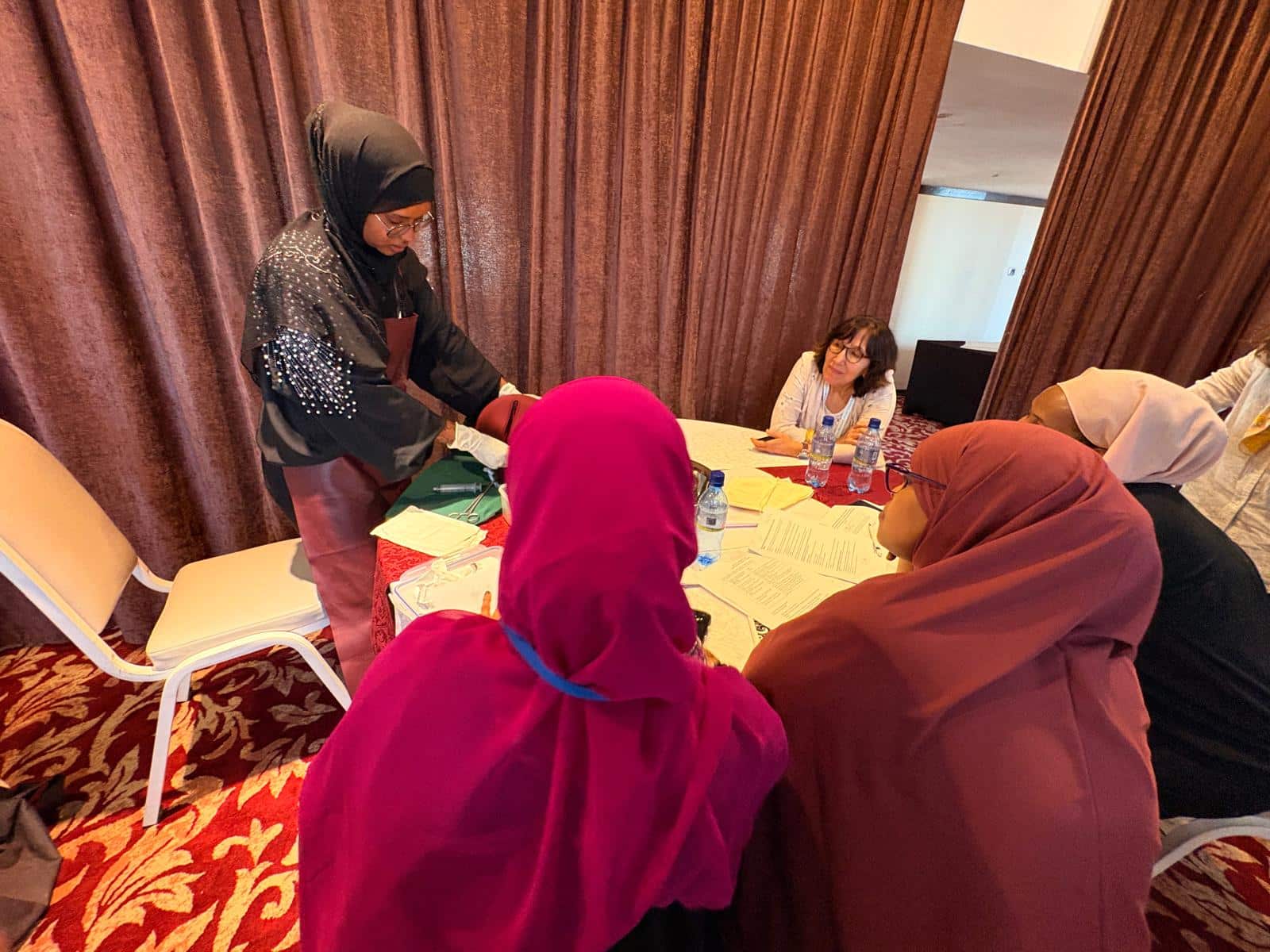
Midwifery tutors and clinical instructors participated in a four-day workshop on gender-responsive supportive supervision and gap training. The programme strengthened skills in coaching, mentoring and performance feedback, while helping schools and midwifery associations establish a shared approach to supporting educators. Trained supervisors are now sharing their learning with colleagues ahead of supportive supervision visits beginning in September.
Building Fairer, Competency-Based Student Assessment
Selected midwifery tutors completed a five-day Training of Trainers focused on developing standardized, competency-based assessment tools, including written examinations and Objective Structured Clinical Examinations (OSCEs).
Strengthening Midwifery Associations for the Long Term
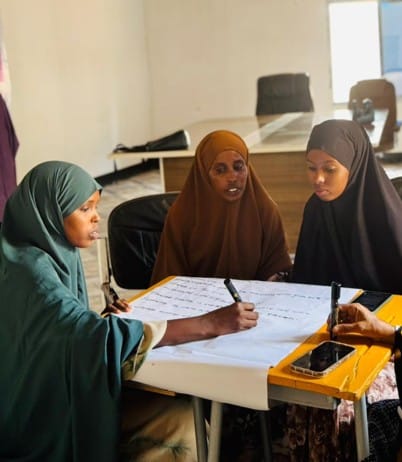
SMILES is supporting three midwifery associations to develop new strategic plans through consultation with members, including midwives in underserved areas. Canadian midwifery expertise has supported the process through strategic-plan reviews, SMART-goal training and practical resources. The Somali Midwives Association has already validated a new five-year strategic plan, providing a clearer roadmap for its future.
Expanding Continuing Education for Practising Midwives
Work is underway on a new six-module in-service clinical training package designed to address identified gaps in continuing education. SOMA, SLNMA and PAM will each develop two modules, with technical review from senior midwives and project partners, helping ensure the training remains practical, locally relevant and responsive to midwives’ needs.
SMIT (Strengthening Midwifery in Tanzania -Thamini Uzazi Salama)
This summer, the UNFPA led Strengthening Midwifery in Tanzania (SMIT) / Thamini Uzazi Salama projec, funded by Global Affairs Canada, continued to advance midwifery leadership, clinical education and professional development across Tanzania. These gains came during a period of significant post-election political tension and a constrained civic environment following the country’s October 2025 elections. Against this backdrop, TAMA continued to strengthen its institutional systems, expand professional training and work with government and partners to support national standards for clinical education; helping build a more resilient midwifery profession and stronger foundations for quality maternal and newborn care.
A New Strategic Roadmap for TAMA
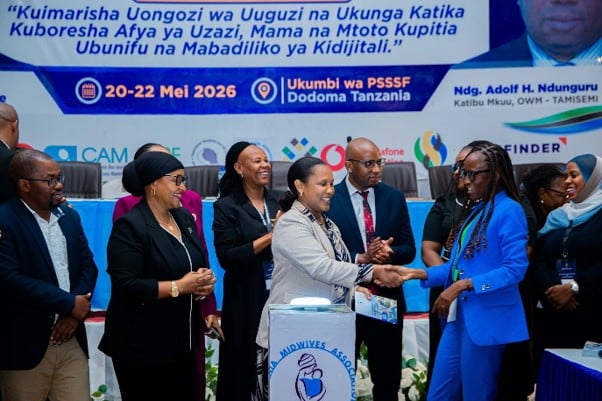
TAMA officially launched its 2025–2030 Strategic Plan, setting priorities for midwifery leadership, professional development, advocacy, respectful maternity care and organizational sustainability. The launch brought together approximately 400 nursing and midwifery leaders and health-sector partners.
Strengthening National Standards for Clinical Education
Tanzania launched new Clinical Instructor and Clinical Placement Guidelines, providing a shared national framework for clinical teaching, mentorship, supervision, competency-based assessment and student placement. Approximately 400 nursing and midwifery leaders participated in the launch and technical dialogue.
Building a National Network of Clinical Educators
Twenty trainers completed a Training of Trainers for Clinical Instructors, followed by training for 41 additional midwives as clinical instructors and preceptors. The cascade approach is helping expand sustainable clinical teaching and mentorship capacity within health facilities and training institutions.
Emergency Training Translates into Life-Saving Care
In Shinyanga Region, midwife Baraka Julius Bundala used skills gained through Midwifery Emergency Skills Training to manage an unexpected preterm twin breech birth and resuscitate the second newborn within the Golden Minute before referral for specialized care.
Growing TAMA’s Professional Network
Membership activities continued alongside project training and events, with new midwives joining TAMA and branch leaders strengthening their use of the Association’s membership database, helping TAMA expand its reach, representation and connection with midwives across Tanzania.
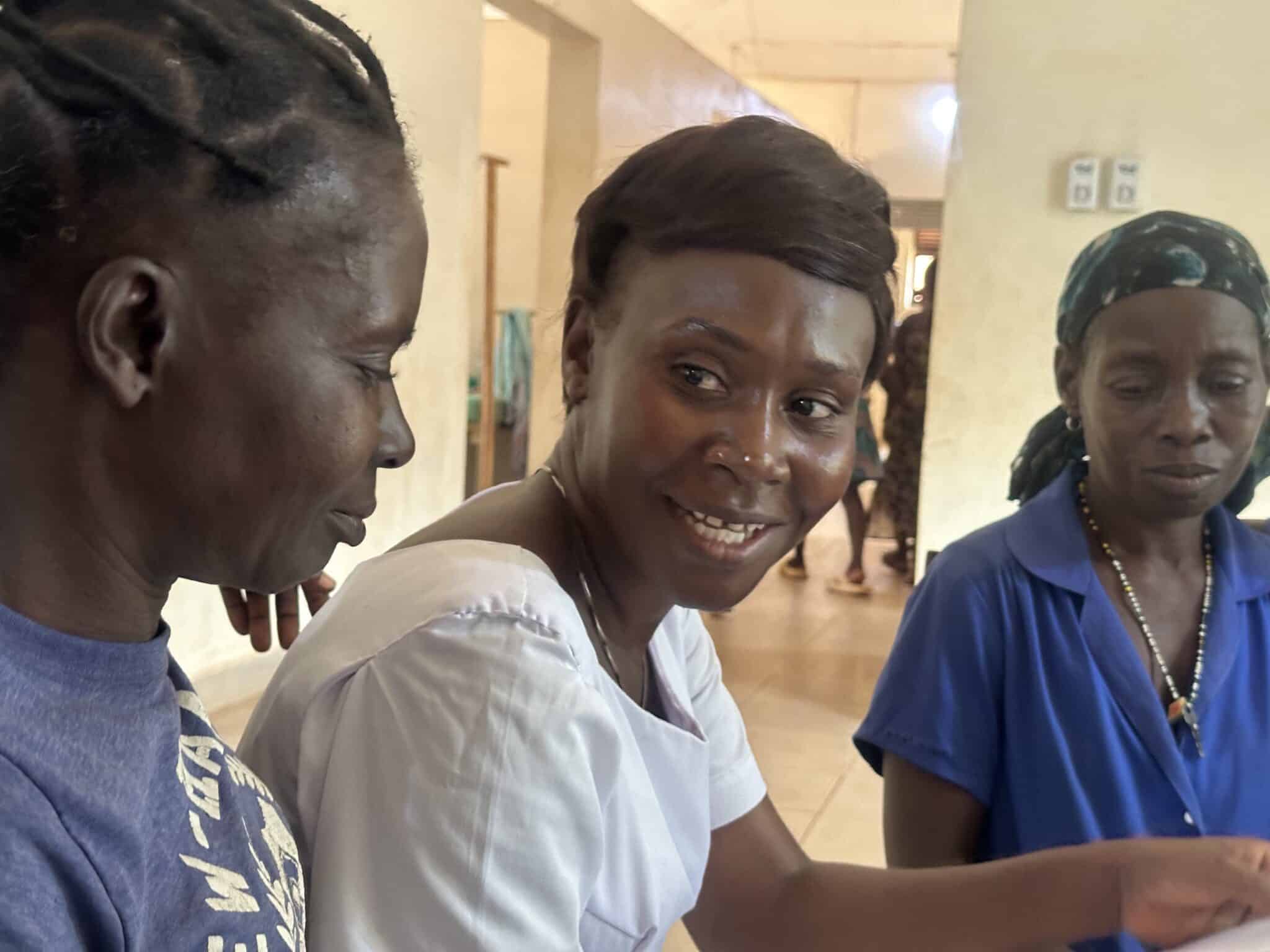
(TRUST) Women’s Voices, Midwifery Leadership for Resilient Health
The CAM led TRUST: Women’s Voices, Midwifery Leadership for Resilient Health project, funded by Global Affairs Canada, continued strengthening women’s health, midwifery leadership and community participation in South Sudan and Malawi. In South Sudan, this work unfolded amid renewed insecurity, displacement and uncertainty ahead of elections scheduled for December 2026, placing additional pressure on already fragile health systems. Against this backdrop, TRUST partners brought together midwives, communities, media and health leaders to expand access to reliable health information and strengthen practical maternal and newborn care.
Highlights
Putting Communities at the Centre of Health Communication
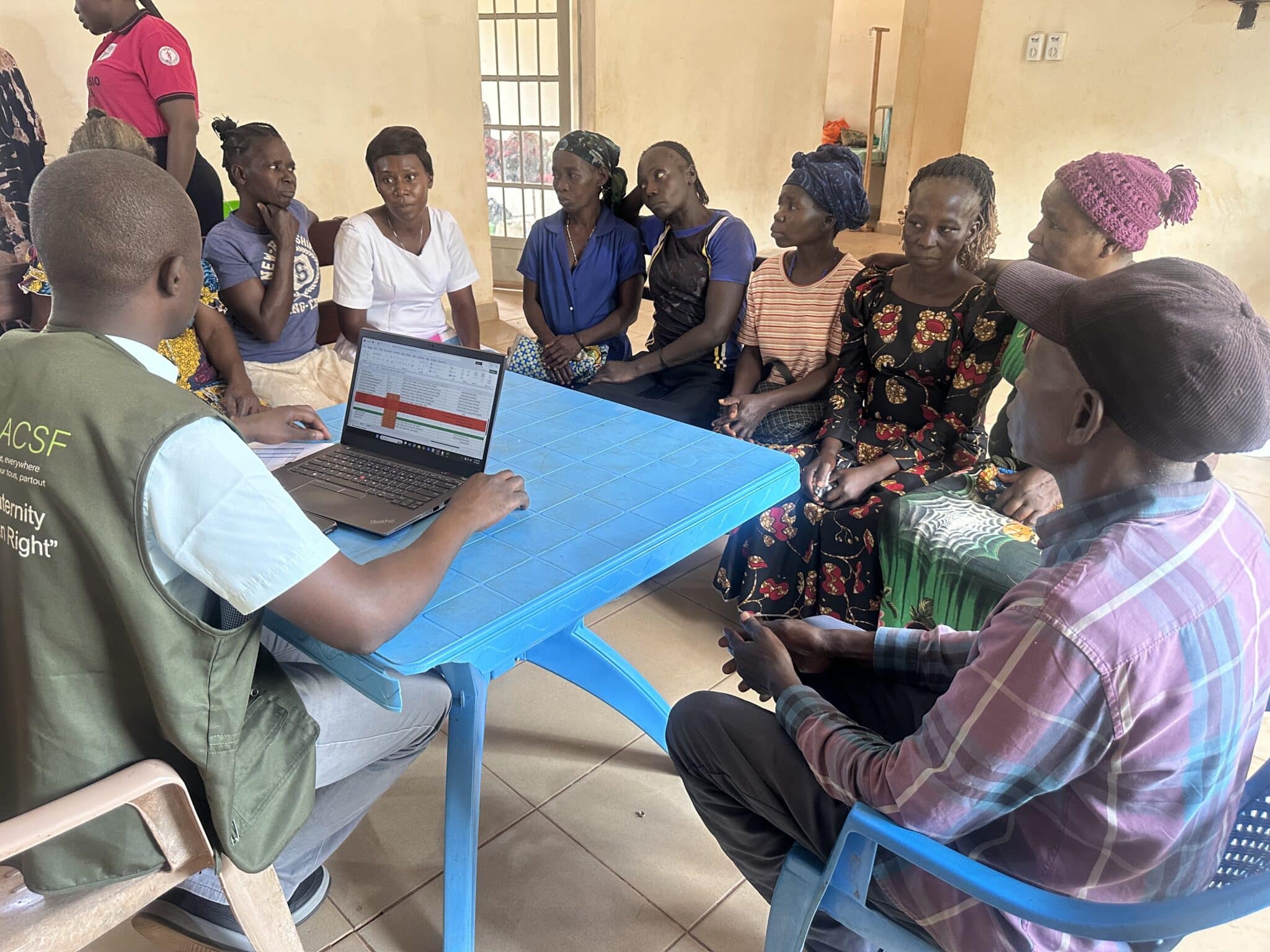
In Bor, 35 community members, midwives, health professionals, civil society representatives and radio producers came together to design locally relevant programming on sexual and reproductive health and rights. Rather than simply delivering messages to communities, the approach enables listeners themselves to identify priorities and help shape programmes for Radio Jonglei and Voice of Reconciliation.
Breaking the Silence Around Women’s Health
A second participatory workshop in Torit brought health, gender and media stakeholders together to address myths, misinformation and cultural barriers surrounding sexual and reproductive health. Participants worked to develop culturally appropriate terminology and content in English, Juba Arabic and local languages, while strengthening women’s participation in health communication.
Taking Community-Led Radio from Ideas to Airwaves
Following the Torit workshop, listeners, midwives and journalists worked together on radio production, with at least 15 SRHR episodes expected in Juba Arabic and Otuho. Programming will address topics including adolescent health, family planning and birth spacing, giving communities an active role in deciding which issues are discussed and how.
Building Skills for Maternal and Newborn Emergencies
The Association of Gynecologists and Obstetricians of South Sudan received maternal and newborn health training simulators through the TRUST project. The equipment will allow obstetricians, midwives, nurses and other clinicians to repeatedly practise emergency skills in a controlled environment, helping build confidence and competence before providing care to patients.
Strengthening Advocacy in Malawi
In Malawi, project partner AMAMI convened an advocacy workshop in Mwanza, bringing attention to midwifery and women’s health priorities. The activity also received television coverage through Kodiak Broadcasting Station, helping extend the conversation beyond the workshop and into the wider community.
In Memoriam
We lost two great people in the field of SRHR these past months.
Victoria Abua Bessarione Jaja
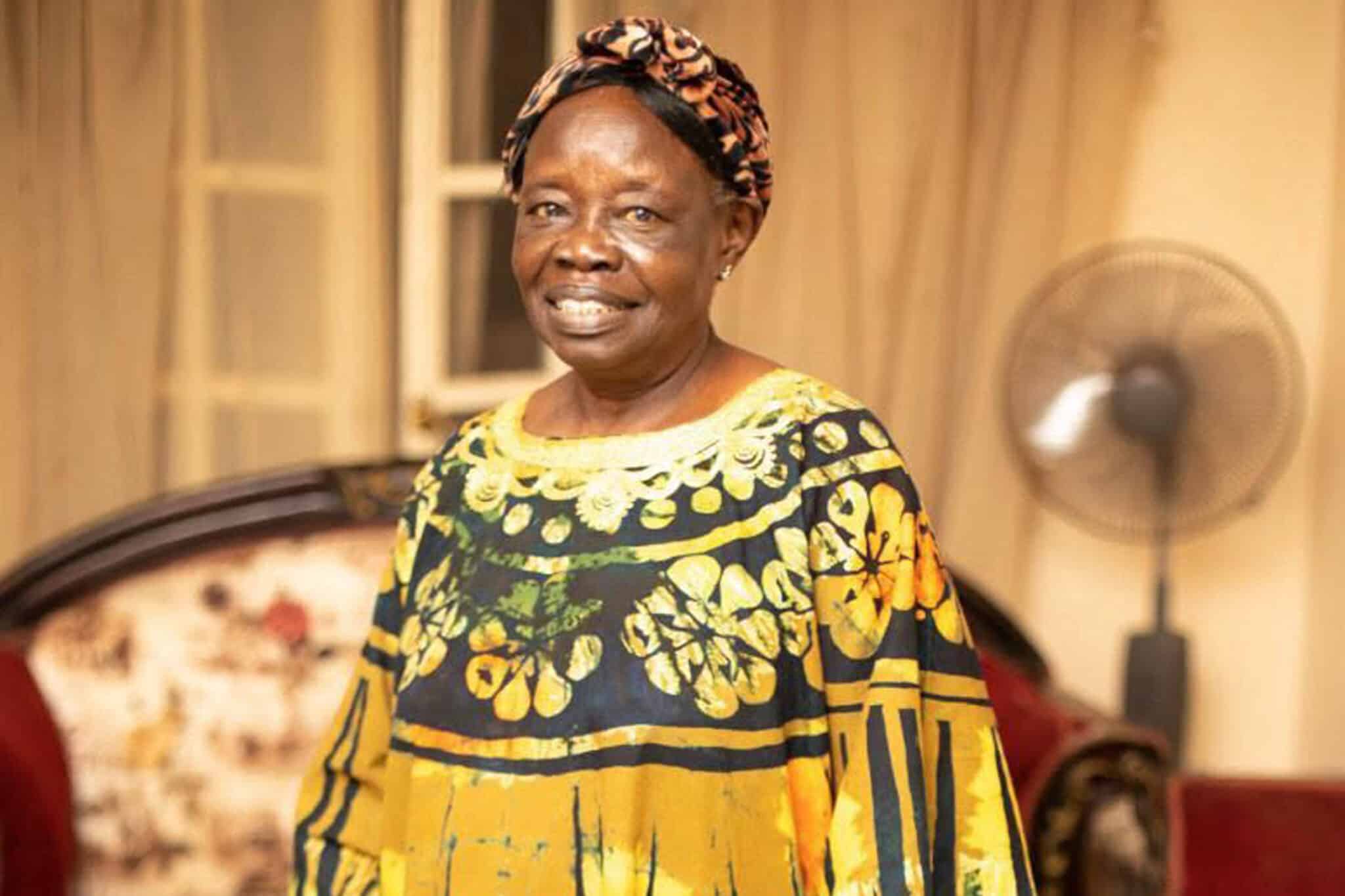
We mourn the passing of Victoria Abua Bessarione Jaja, who died on September 1, 2026. A nurse by training, Victoria played an important role in strengthening nursing and midwifery education and regulation in South Sudan. As the long-serving Deputy Director of Training and Professional Development for Nurses and Midwives at the Ministry of Health, she helped shape the systems that support generations of health professionals across the country. Victoria was also instrumental in the development of the South Sudan Nurses and Midwives Association (SSNAMA), where she served for many years as a dedicated board member. Quiet and dignified, Victoria was known for her kindness, resilience and steadfast commitment to nurses, midwives and the communities they serve. Her contribution to the profession in South Sudan will be remembered with deep respect and gratitude.
Dr. Ferdinand Nsengimana
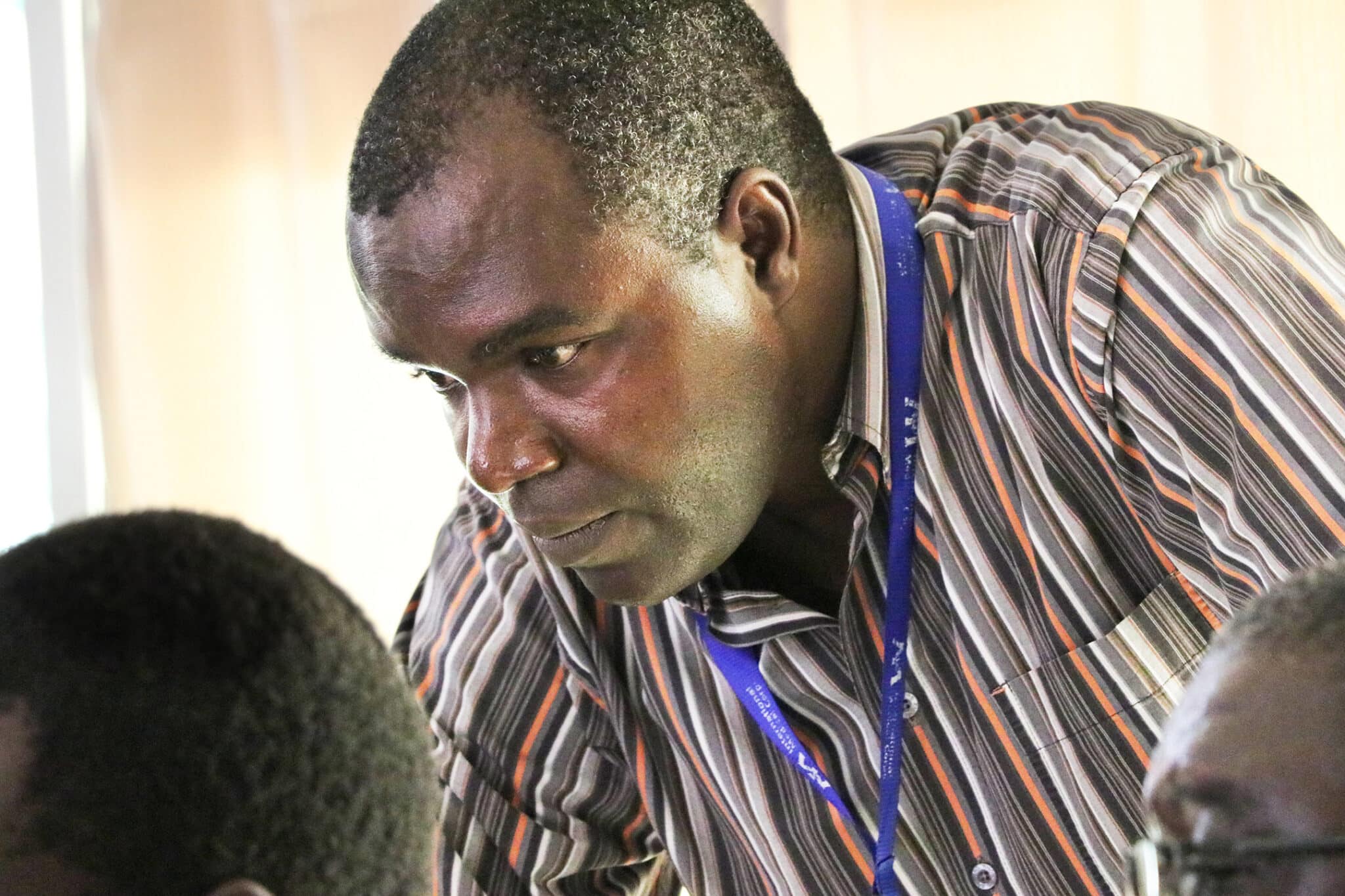
We also mourn the passing of Dr. Ferdinand Nsengimana, who died in April 2026.
Originally from Burundi, Ferdinand devoted much of his professional life to nursing, midwifery education and reproductive health. With more than 20 years of experience in patient care, health service management and teaching, he brought his knowledge and commitment to institutions across Namibia and South Sudan, including the Kajo-Keji Health Sciences Institute and the Juba College of Nursing and Midwifery. Those who knew Ferdinand remember a man of genuine compassion, kindness and humility — a lifelong learner who was equally passionate about sharing his knowledge with others. To many students, he was not simply a teacher, but a mentor whose encouragement helped shape their careers and lives.
His dedication to South Sudan transcended borders, and his wisdom, generosity and commitment to the next generation of health professionals will be deeply missed.
Rest in power, Victoria and Dr. Ferdinand. You impacted more lives than you know.